Swipe
No more heroes
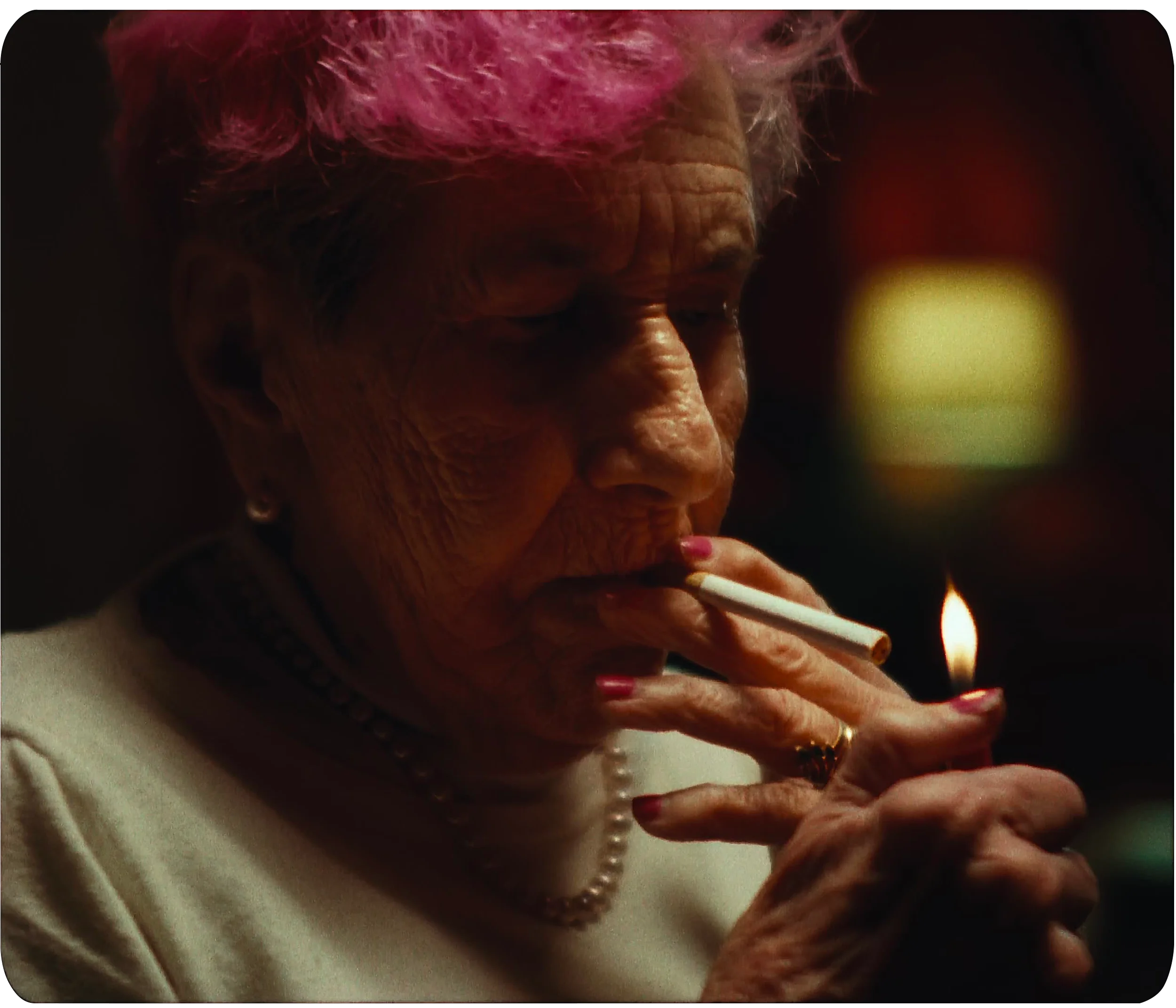
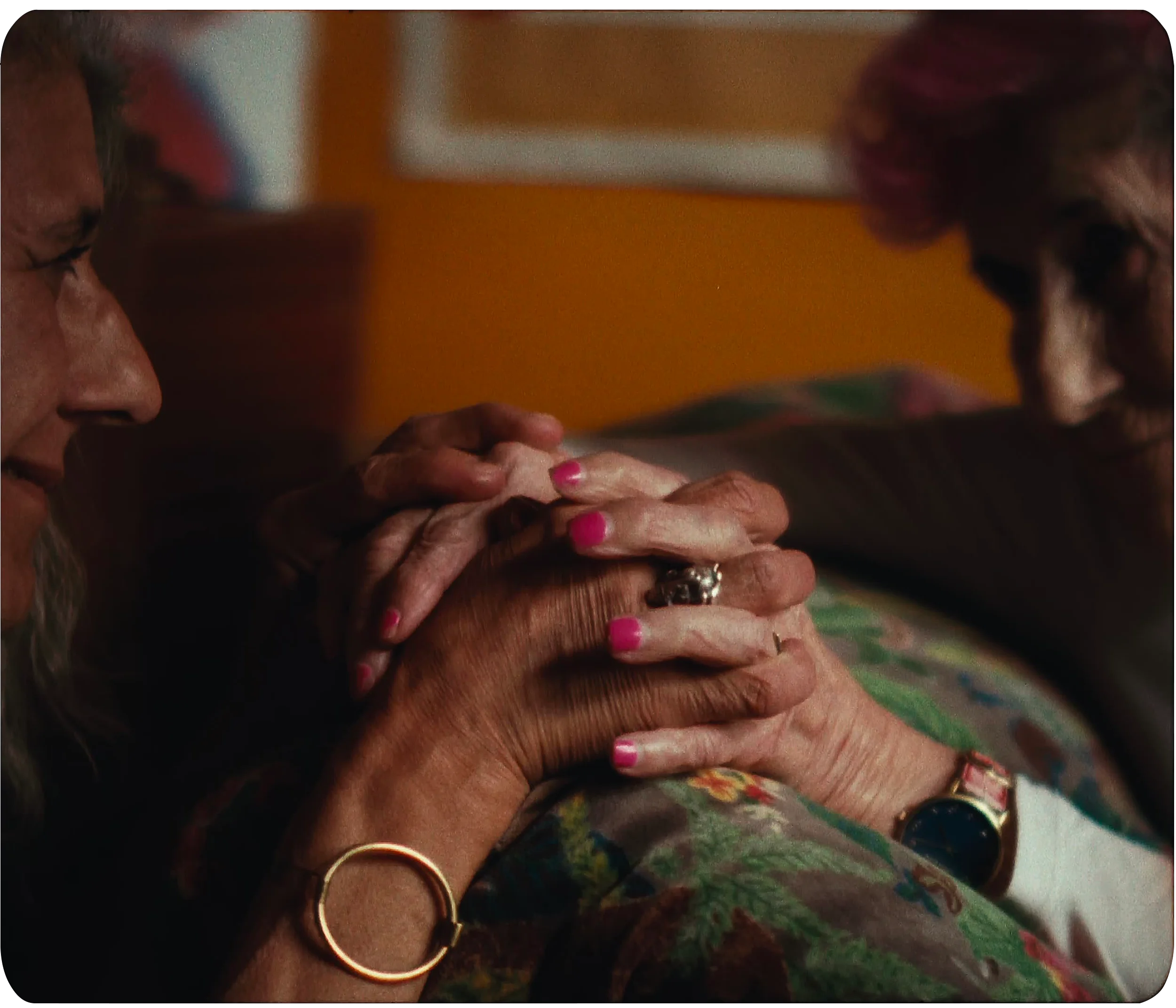
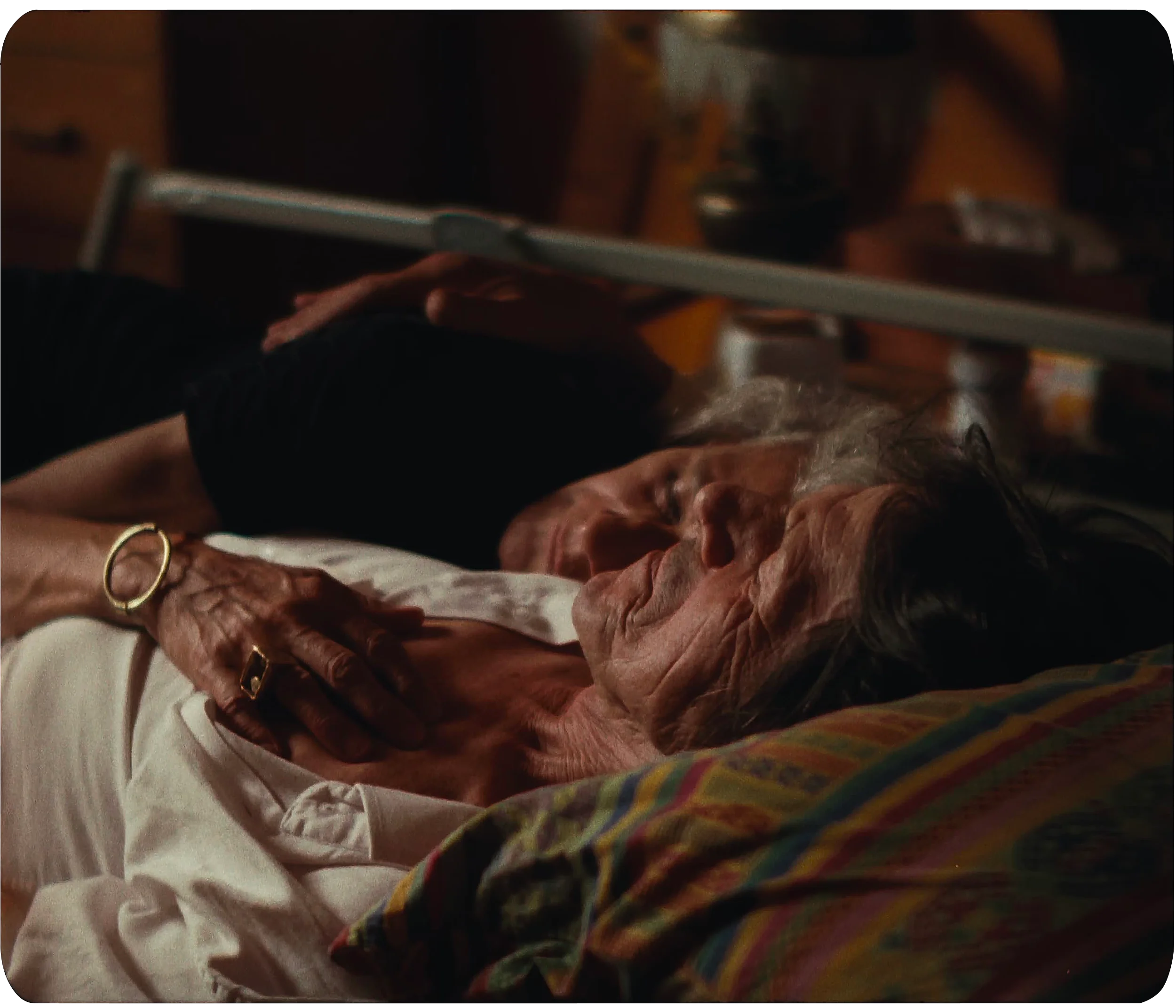
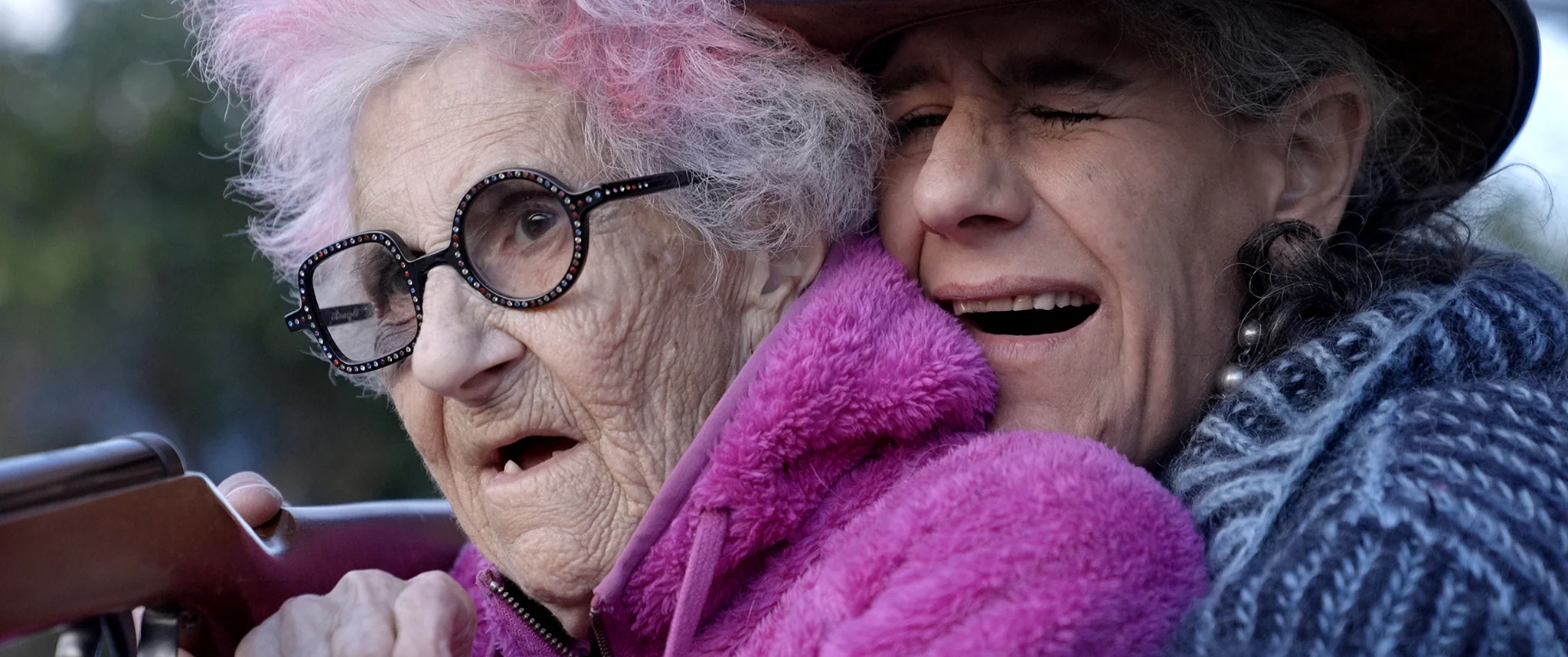
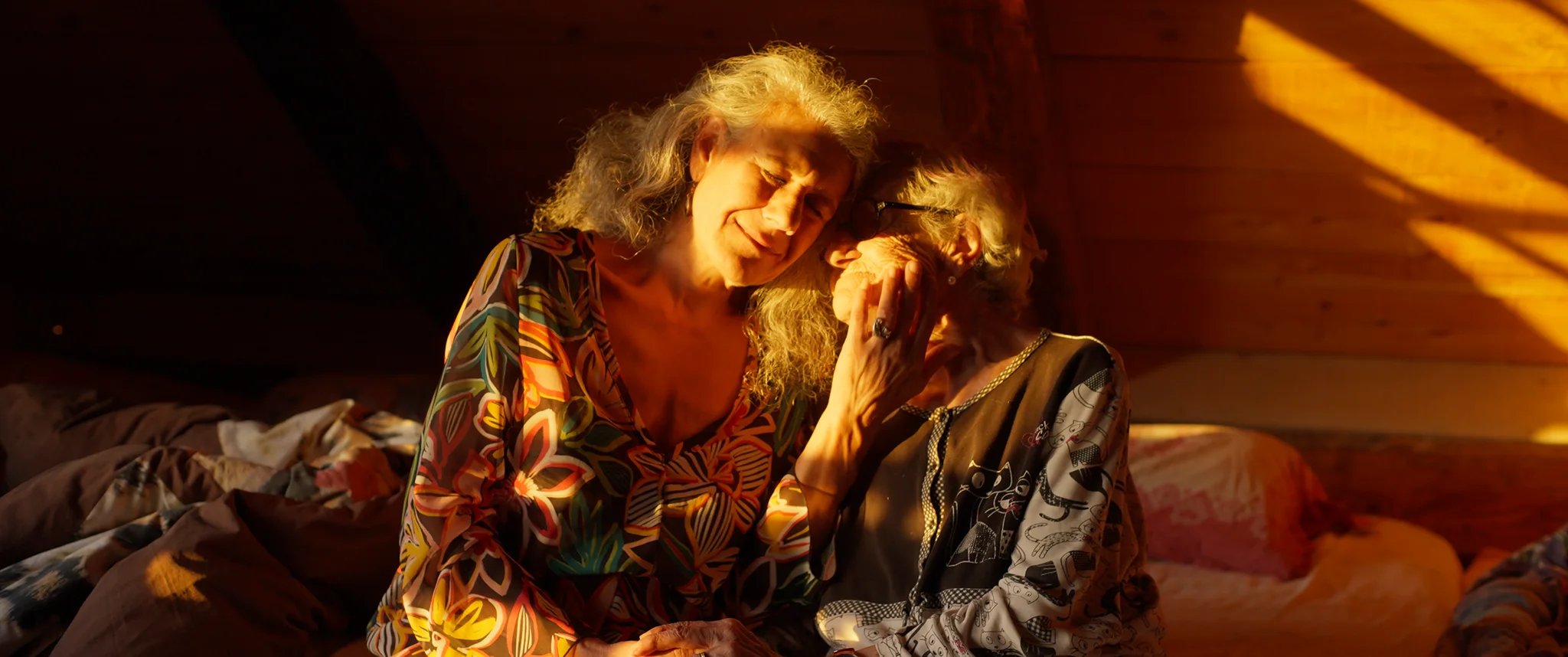
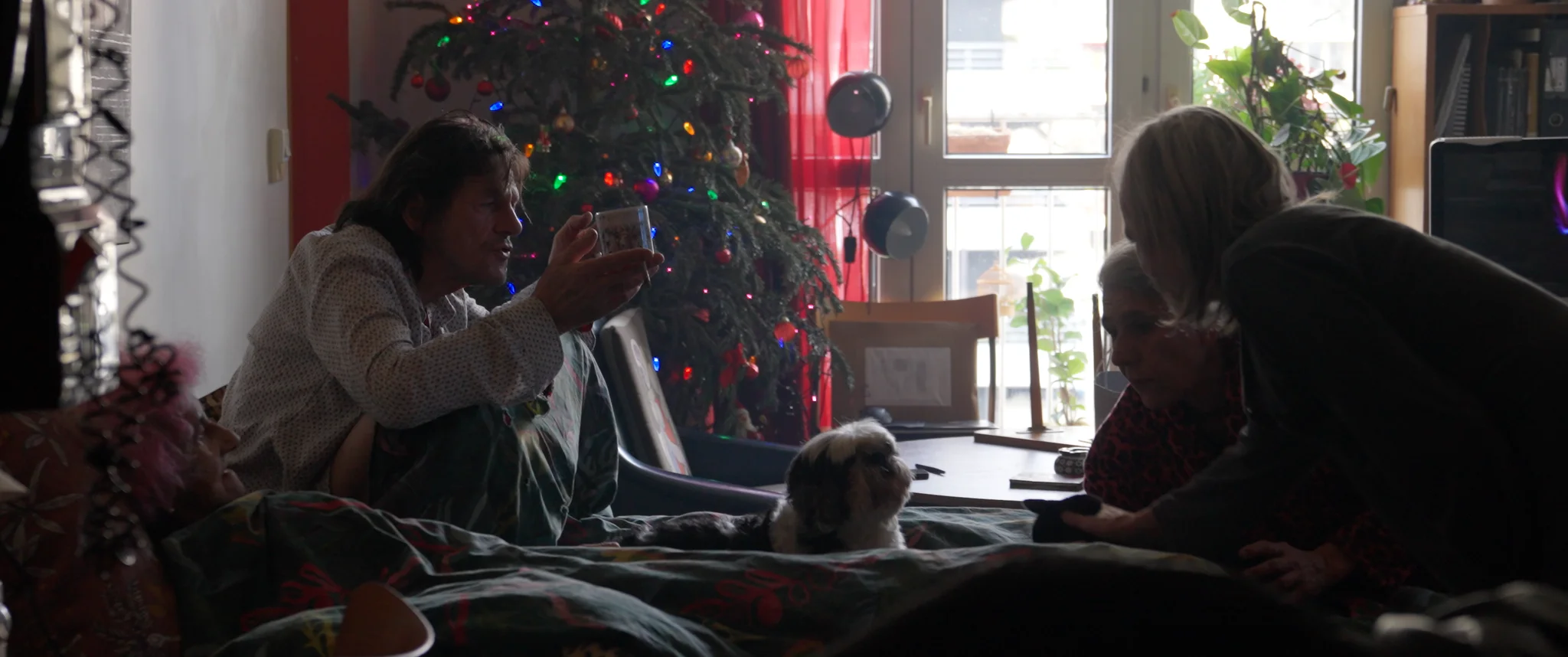
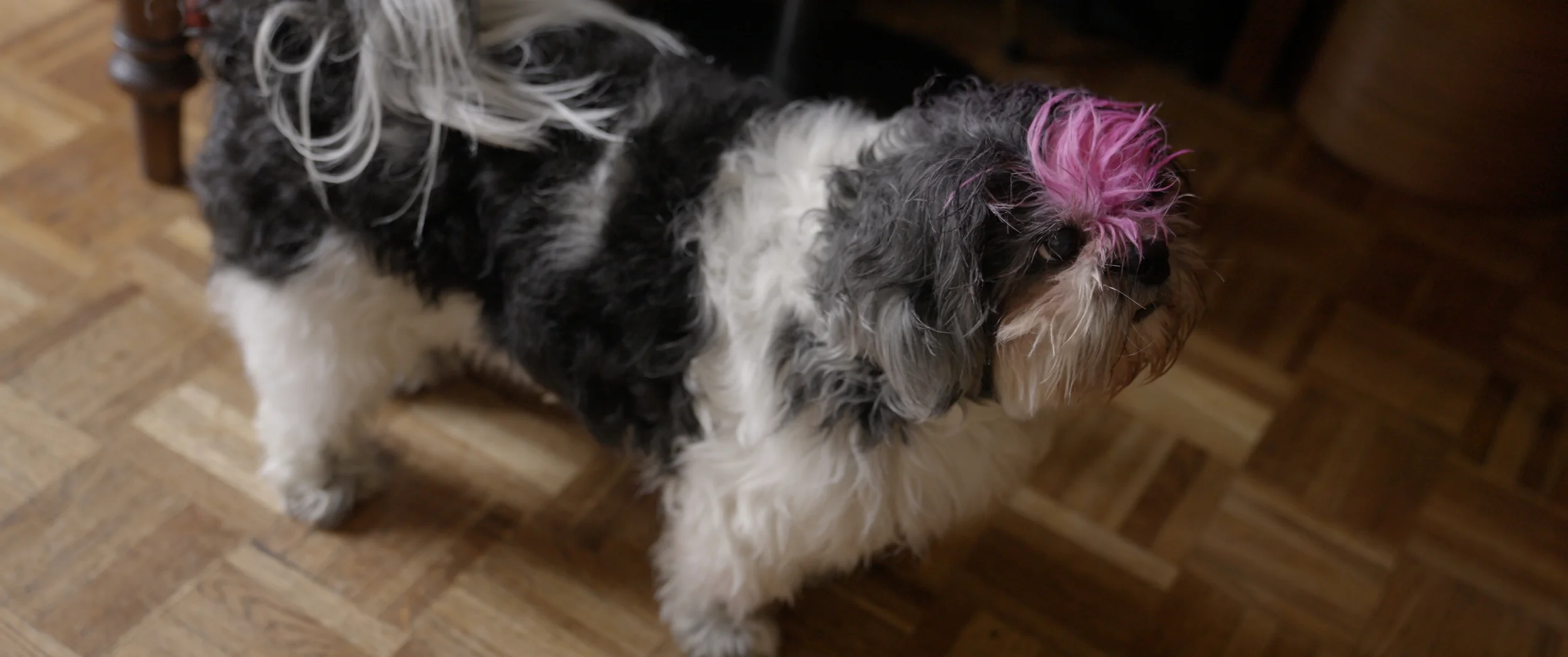
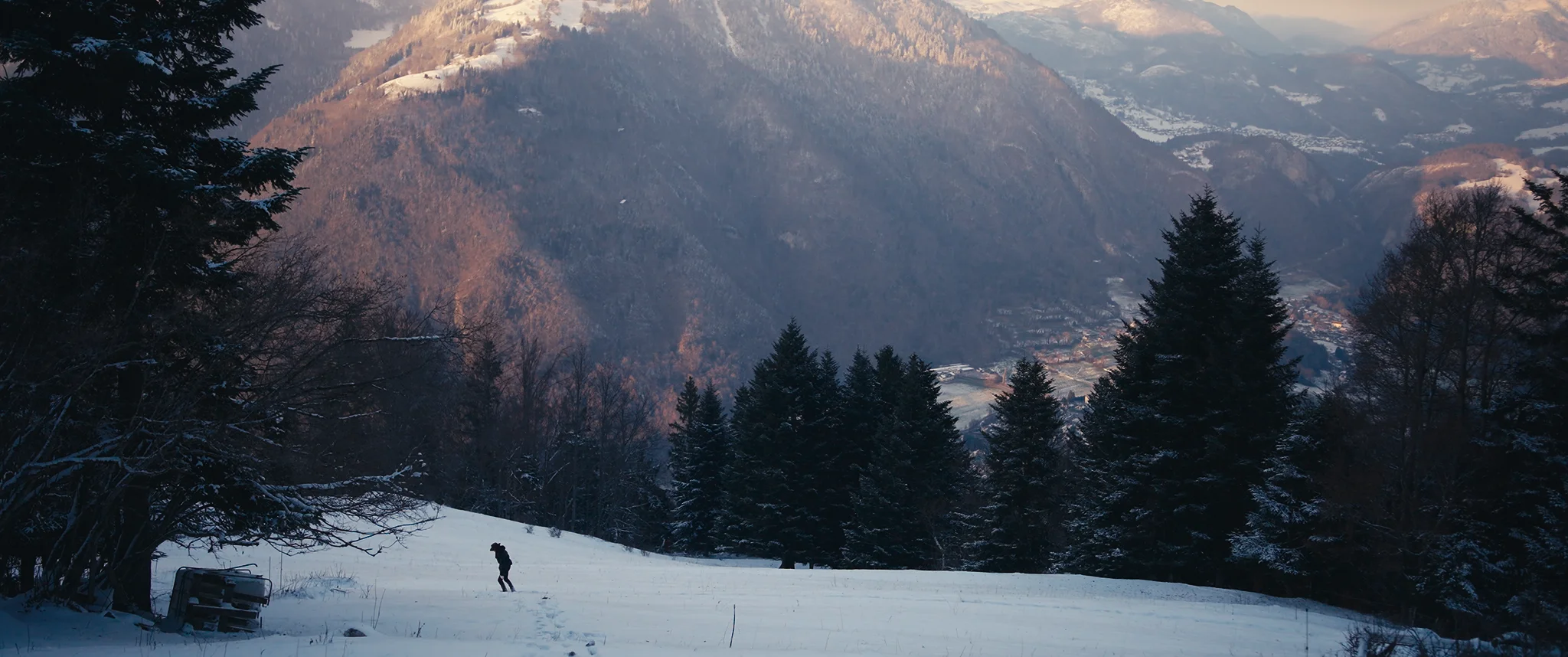
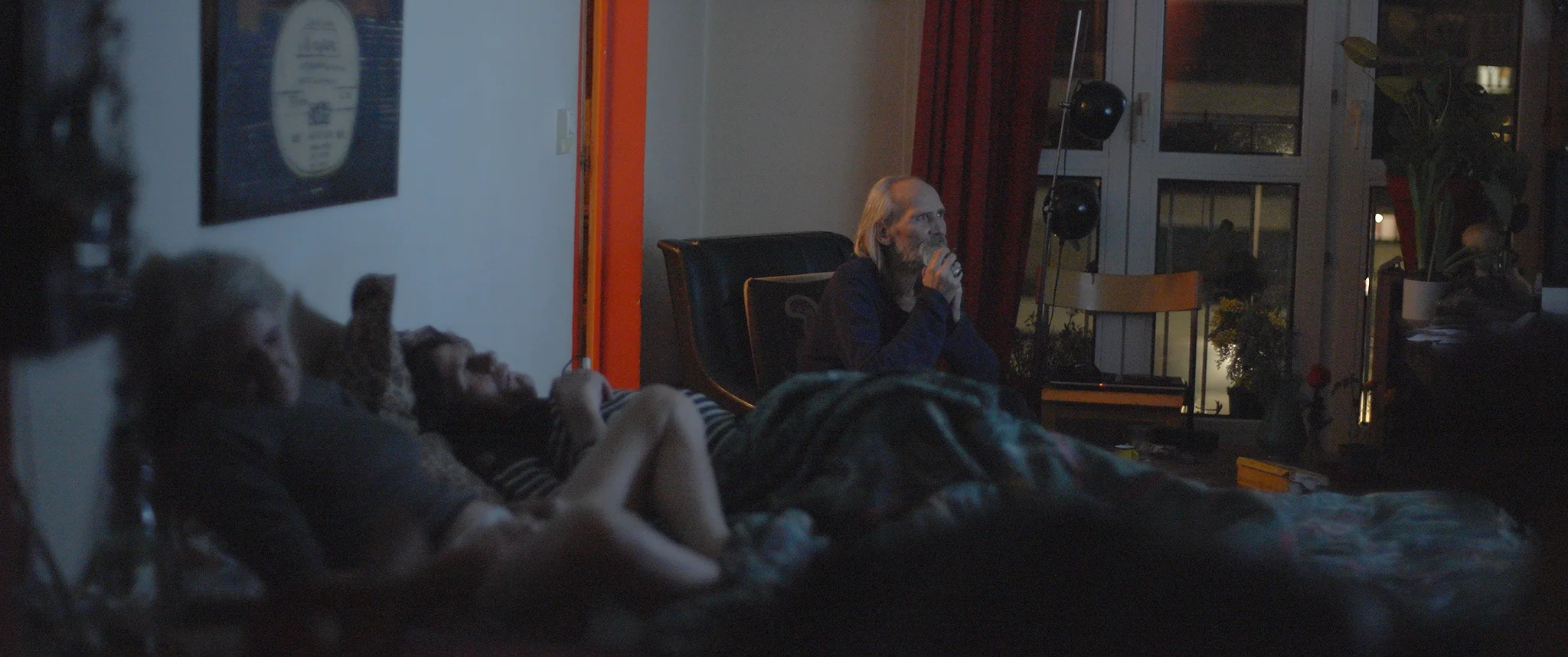
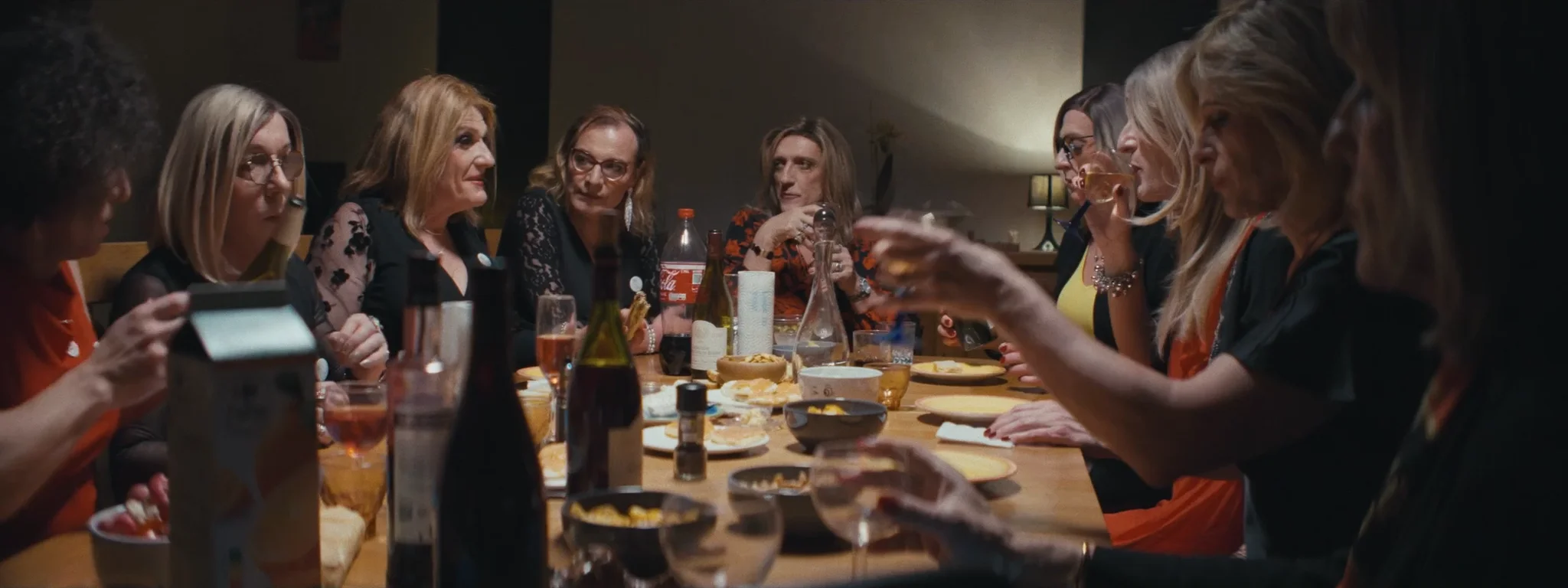
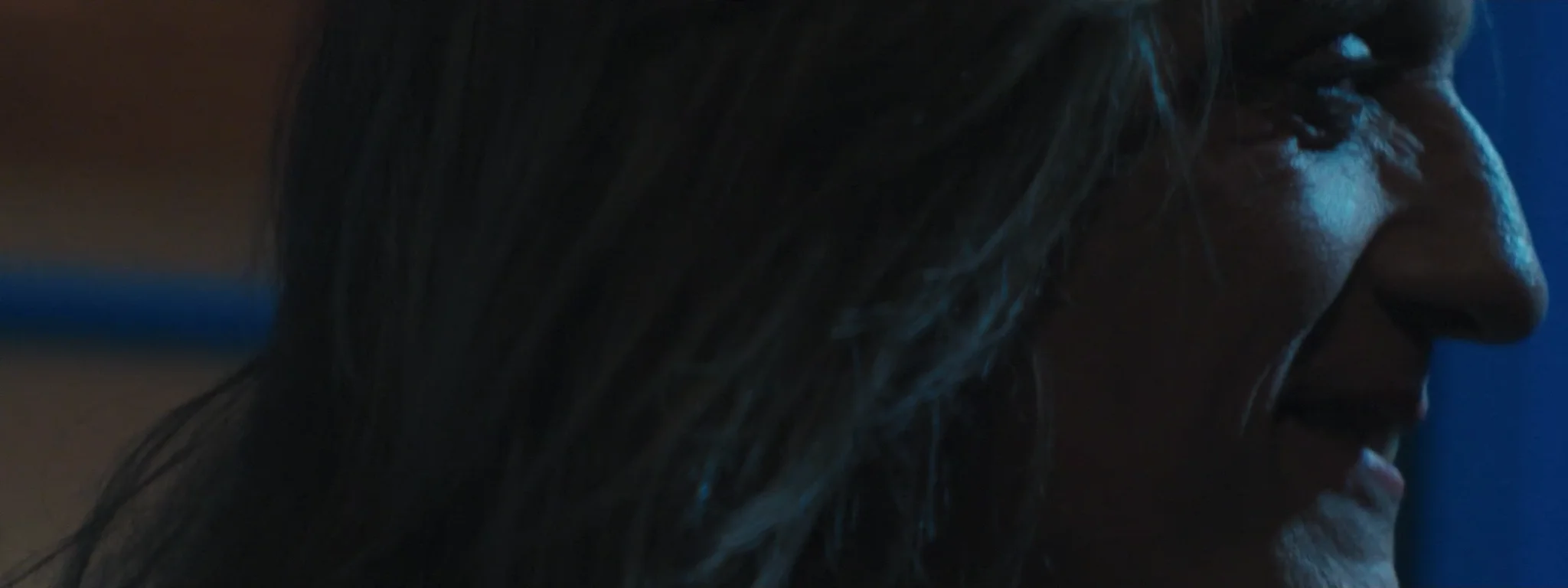
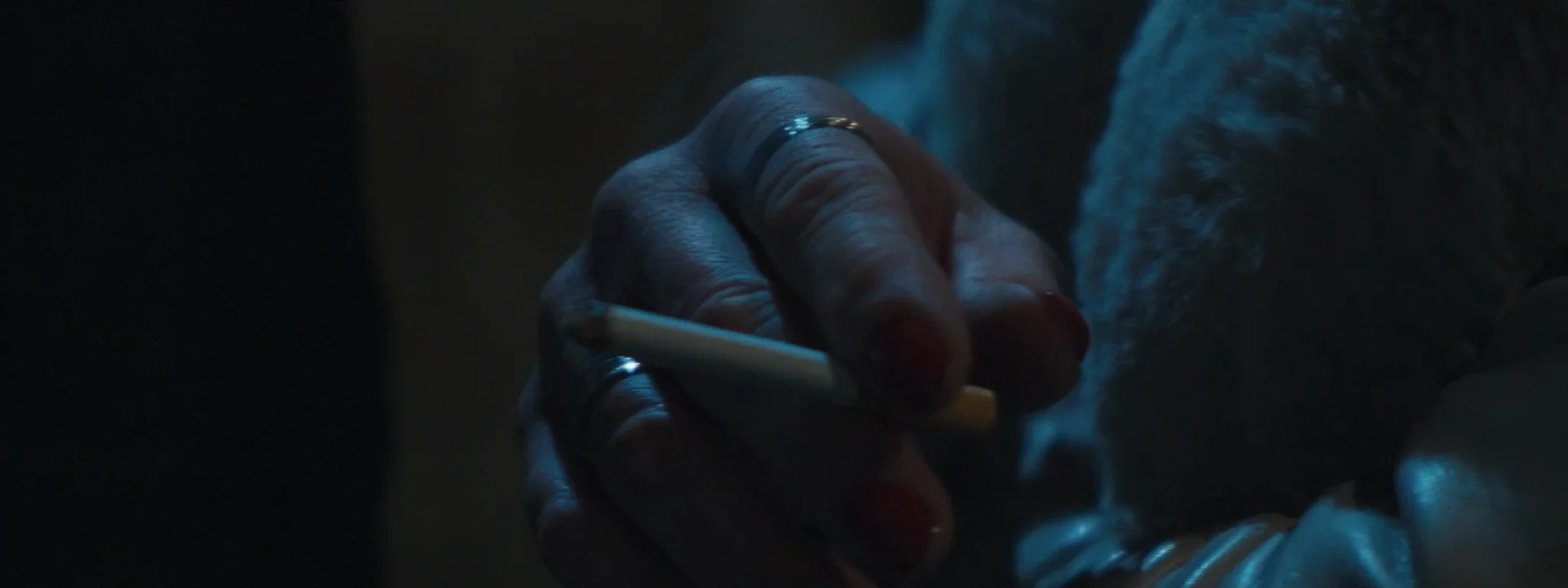
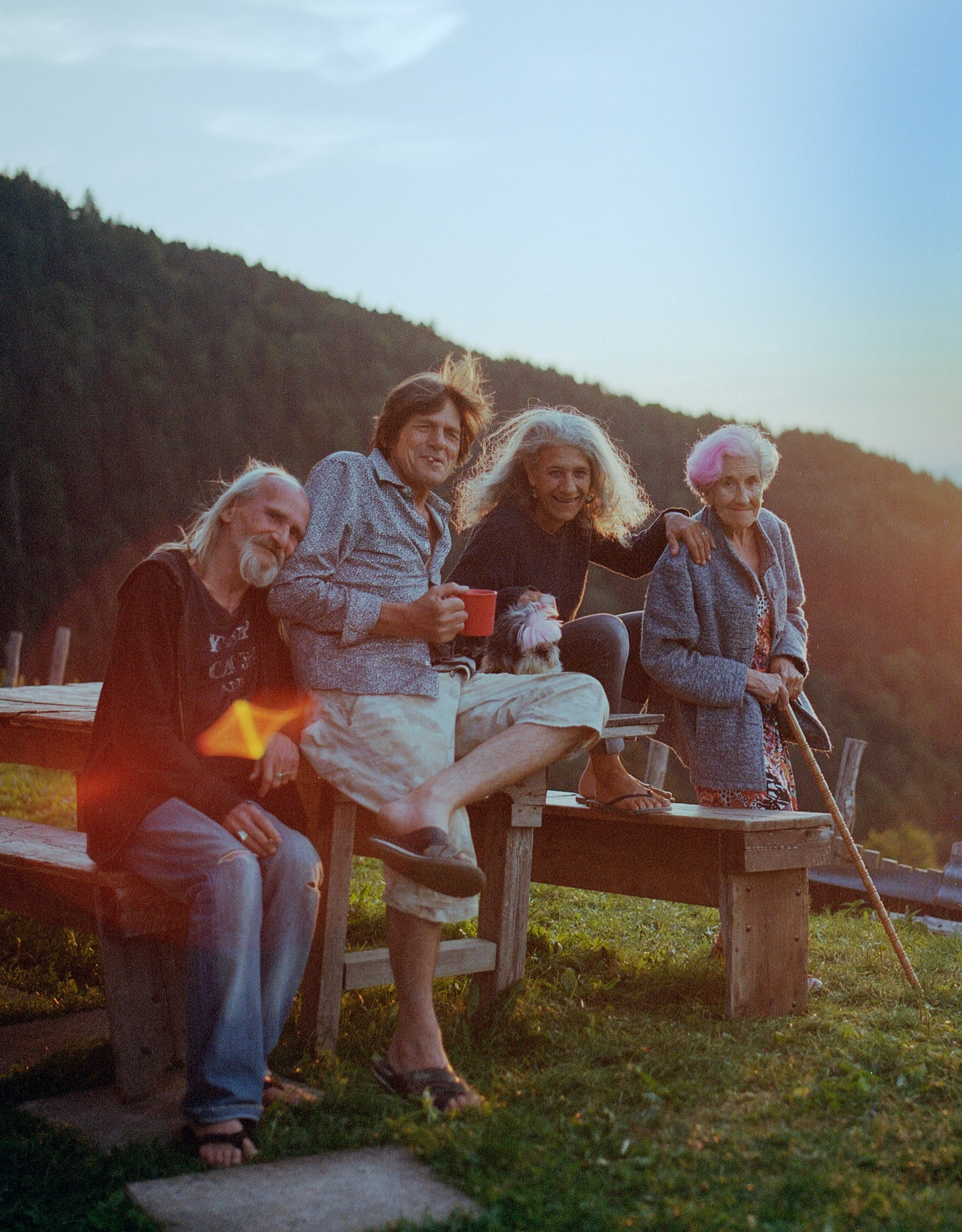
Léa is an old punk, Rémi an old hippie, Tonton a former fairground worker, Kiki a pink-haired Ma Barker, and Galak, their poodle. They all live together on laughter, drugs and tough love, splitting their time between a Paris council flat packed to the rafters and an alpine chalet far too big for them. One day Kiki has a stroke, tipping her into dependence and forcing her daughter to take care of her — a daughter who cannot take care of herself. No more heroes tells the story of a tribe trying to stay standing in the face of the world.
Documentary film in production, produced by Ninon Chapuis and Simon Ingaelere.
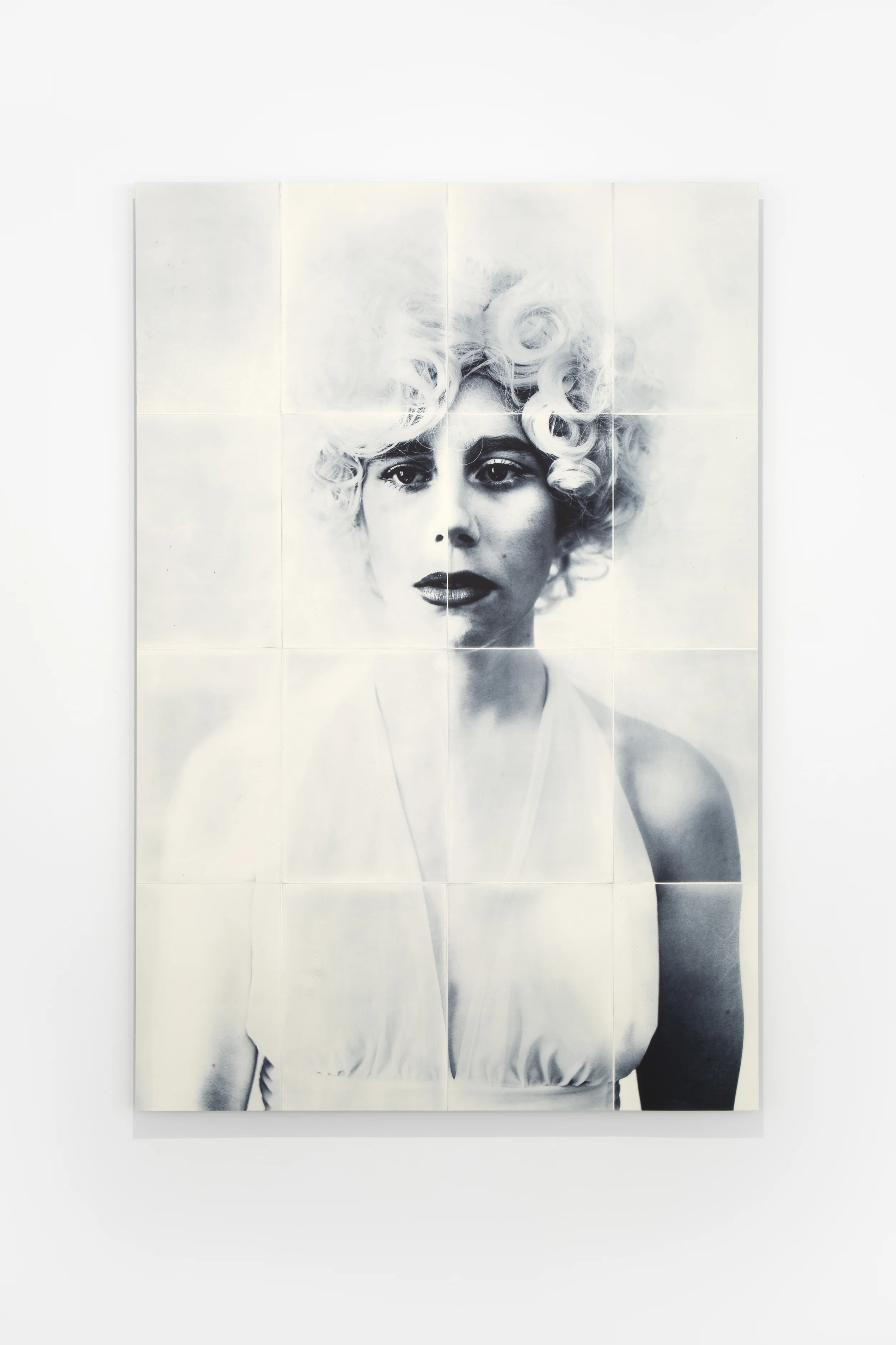
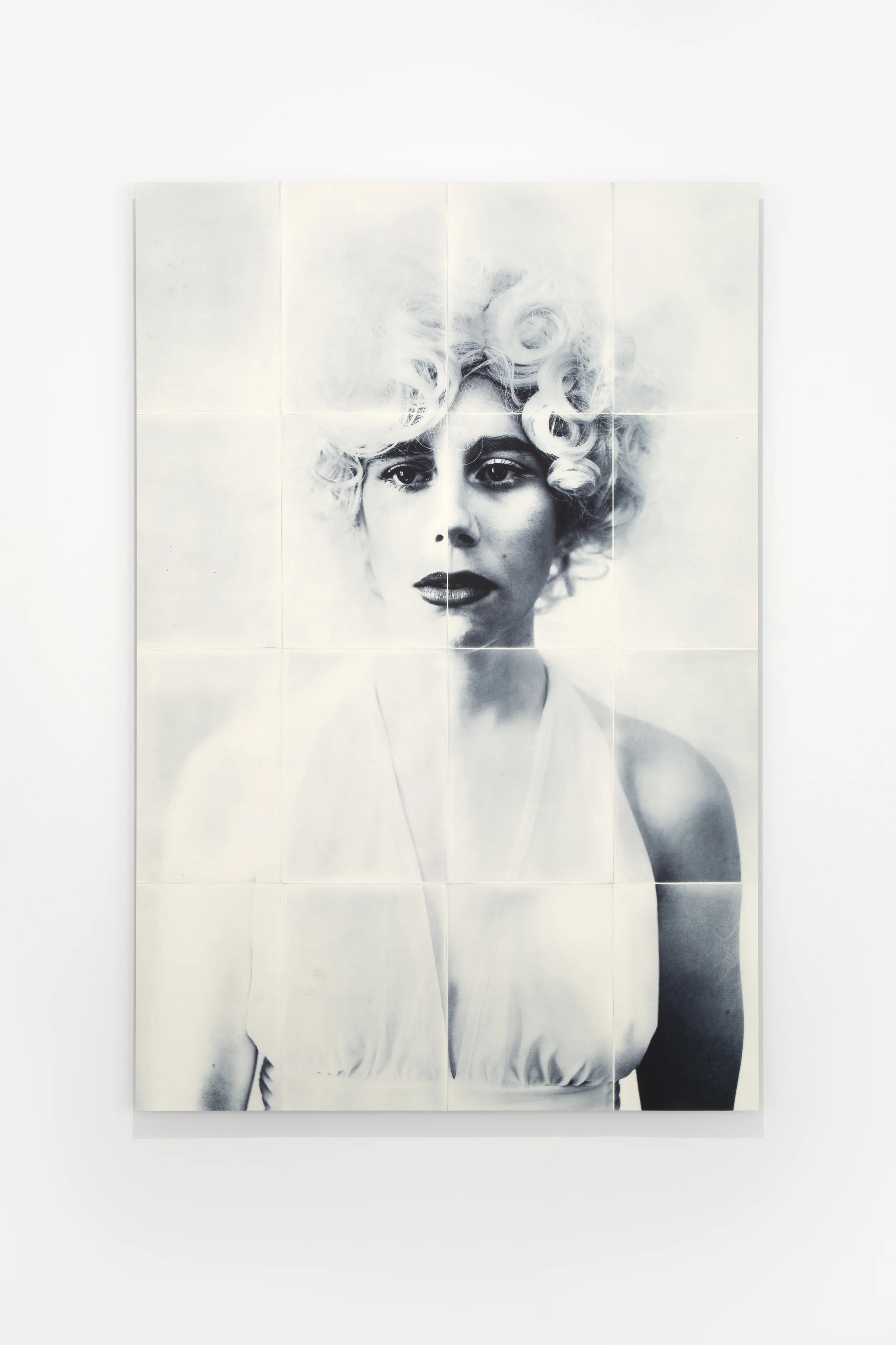
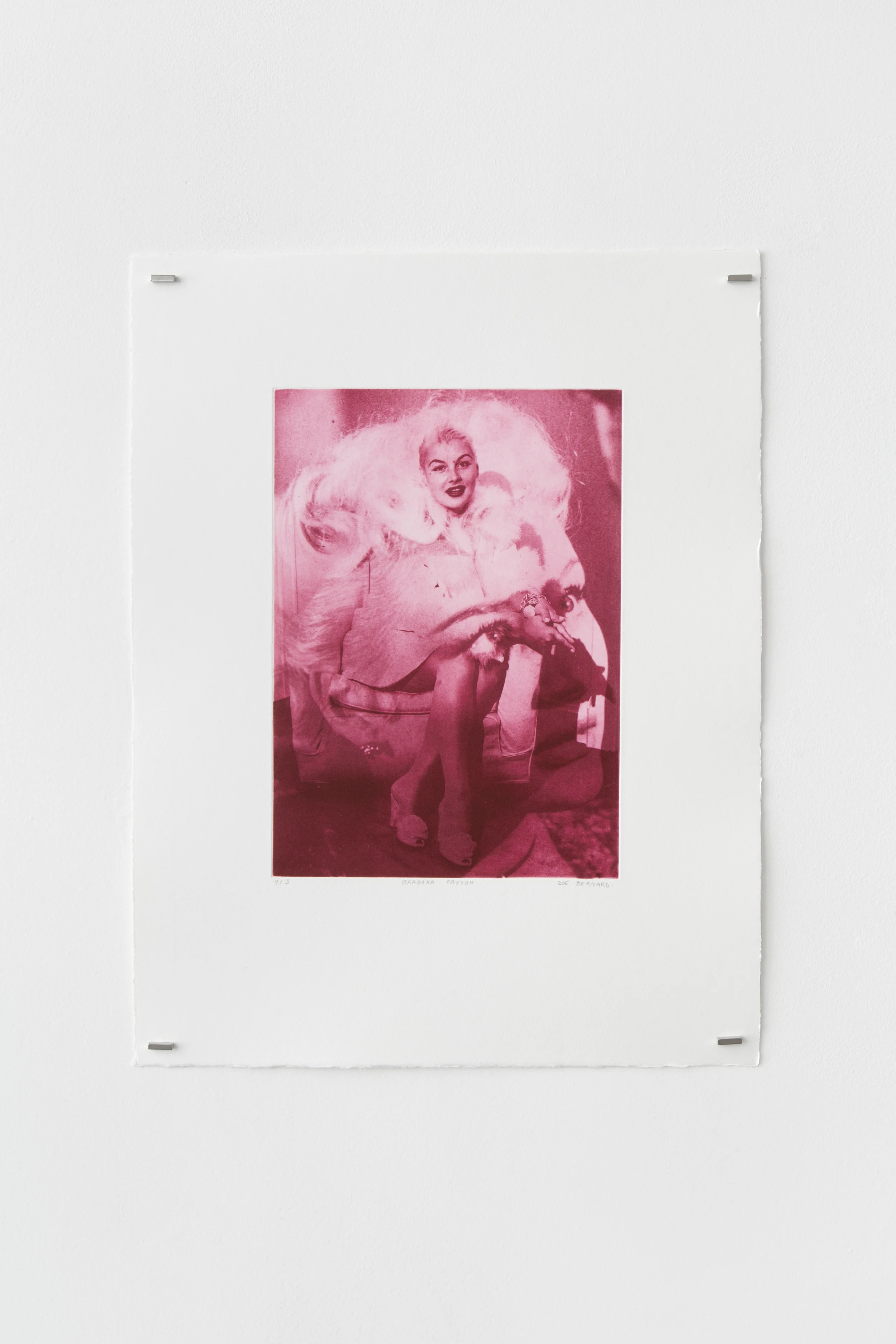
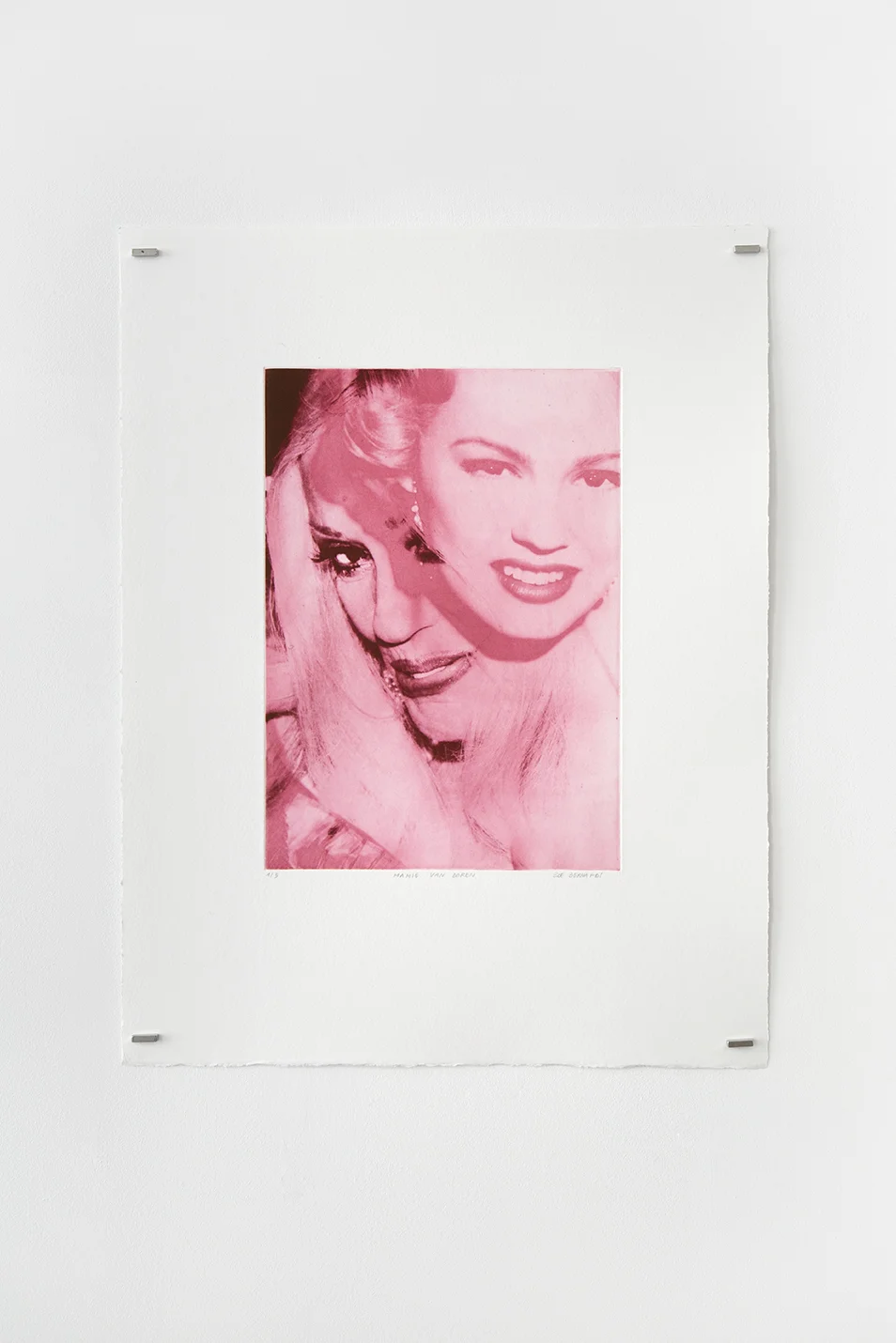
Des blondes pour Hollywood
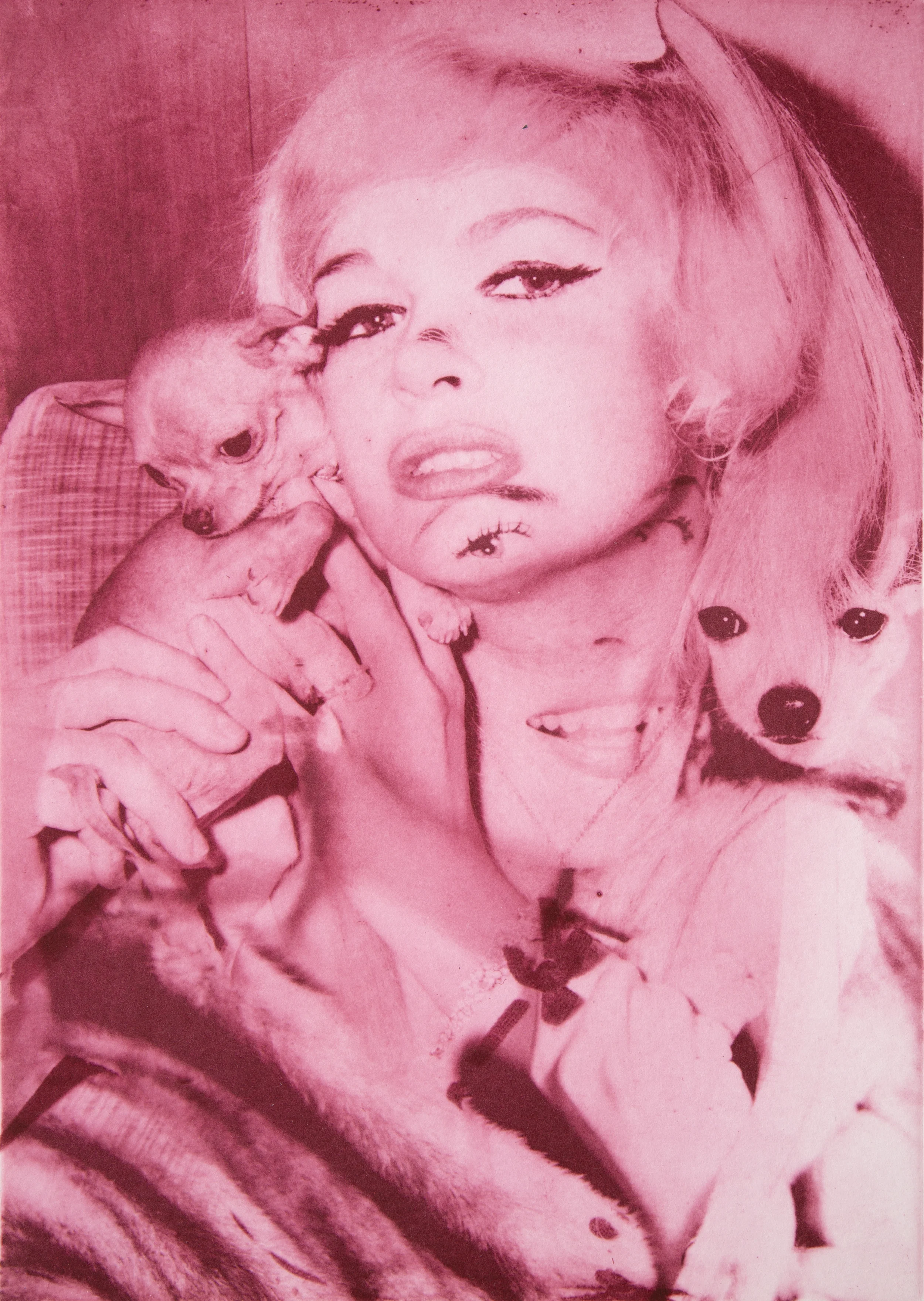
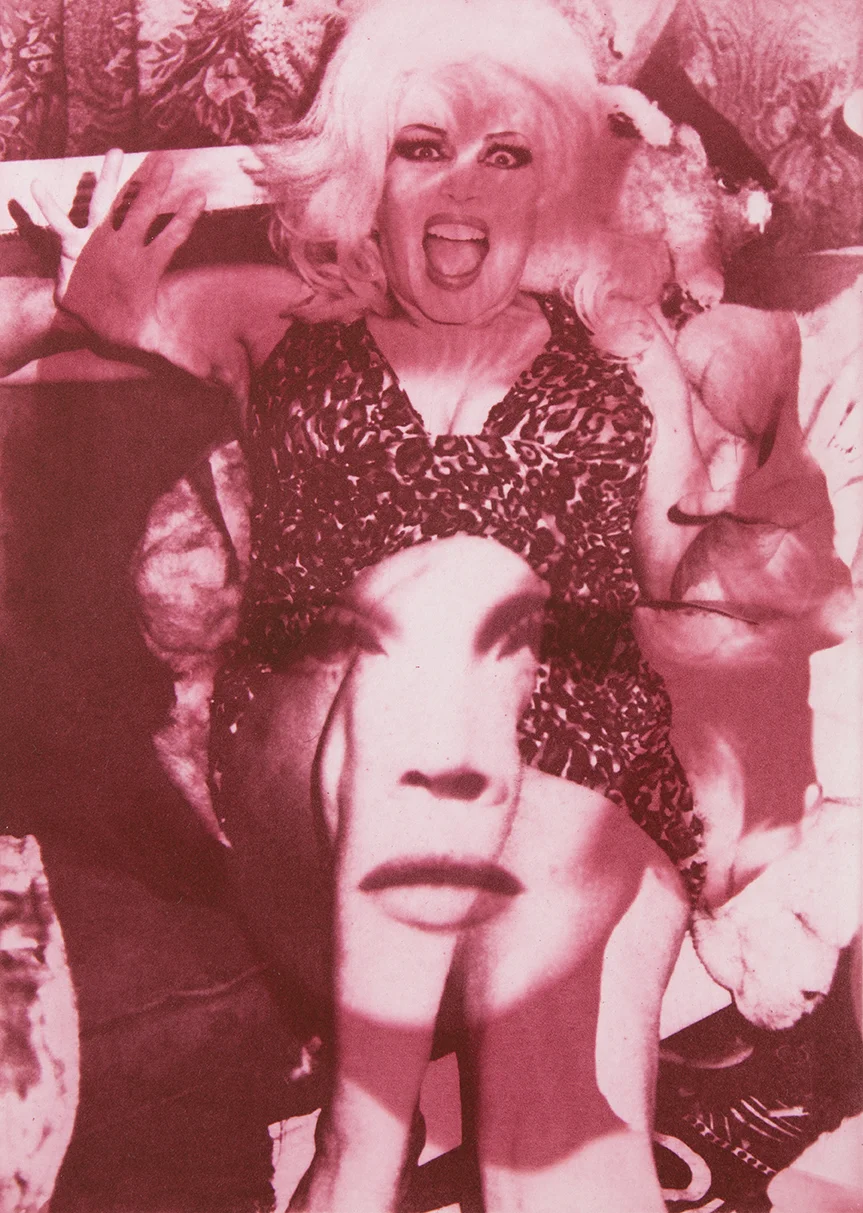
“The exhibition opens with a gesture of embodiment: a self-portrait in which the artist transforms herself into Marilyn Monroe. This gesture sets a displacement in motion: that of a body confronting an image that has already been constructed, an archetype of femininity. Executed as a photogravure and composed of several assembled panels, the image plays on the ambiguity between the apparition of the icon and the presence of the artist. Alongside it, photographs from her adolescence recall how early on this story—the construction of the self—is shaped and nourished by images and representations of the feminine. From this point of departure, the exhibition unfolds as a journey through multiple incarnations of femininity. First come the Hollywood blondes: actresses who emerged from the American studio system in the post-Marilyn era, an industry intent on reproducing them according to the same model of a glamorous, blonde, spectacular, interchangeable woman—only for them to be subsequently absorbed and erased by that very same system. Some were celebrated, others forgotten; all confronted the violence of a system that objectified them and treated them as reproducible models. Through photogravures made from archival images, Zoé Bernardi reactivates their presence and restores their power. By superimposing images of their youth with images of them in old age, she brings forth shifting figures, traversed by time. Faces split and blur, resisting the fixity of the icon. They become chimeras. Behind the myth, singular trajectories re-emerge: women who continue to exist despite the narratives that sought to reduce them to an image.” Text by Marilou Thirache, curator of the exhibition I Wanna Be Loved by You, at Mennour Gallery, June 10–July 25, 2026.
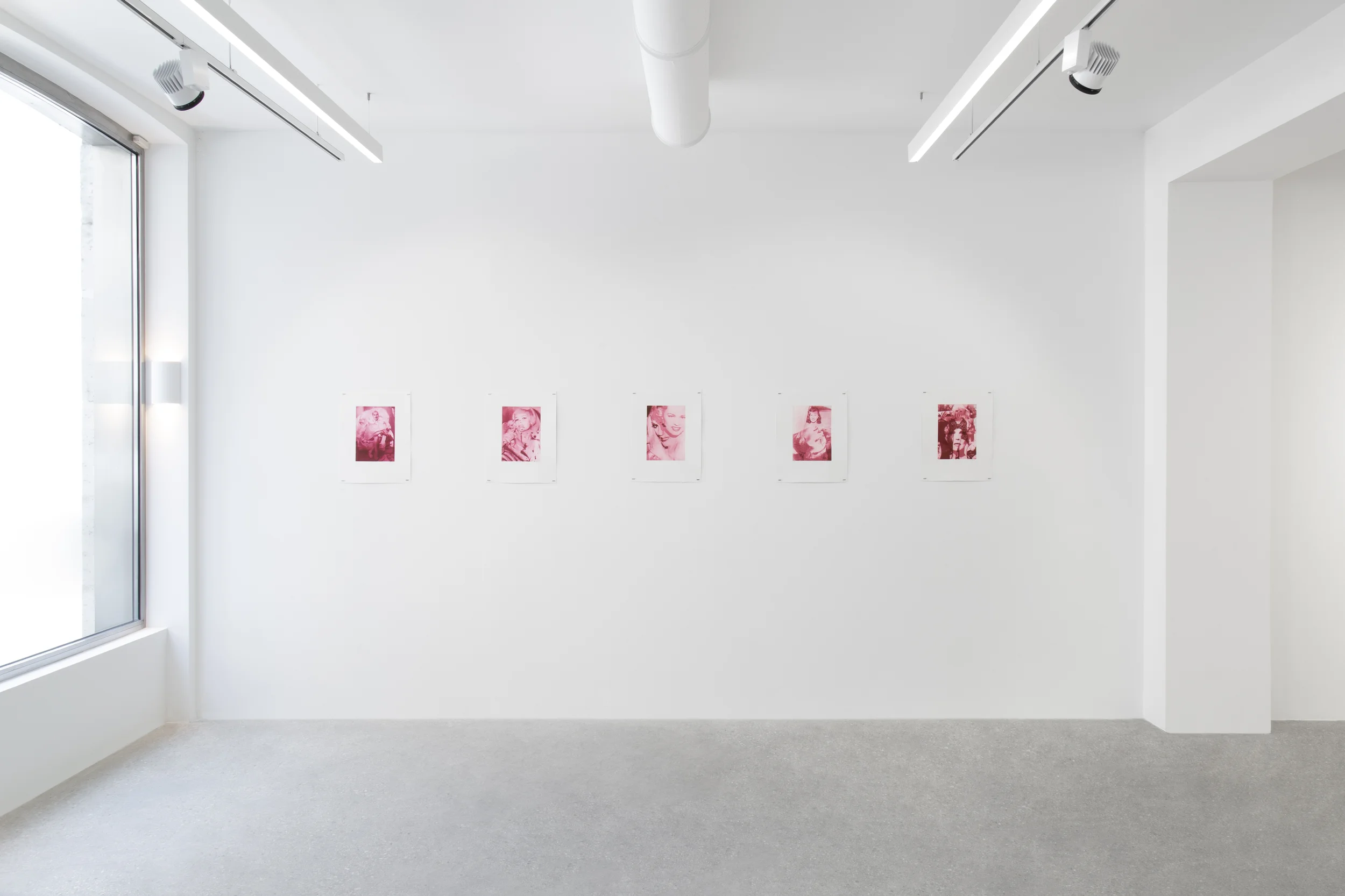
Selection of works from the exhibition I Wanna Be Loved by You. Detail: Gentlemen Prefer Blonds, photogravure, 120 × 80 cm, 2026. Blondes for Hollywood, series of photogravures, 29.7 × 21 cm, 2026.
La nuit des Divas
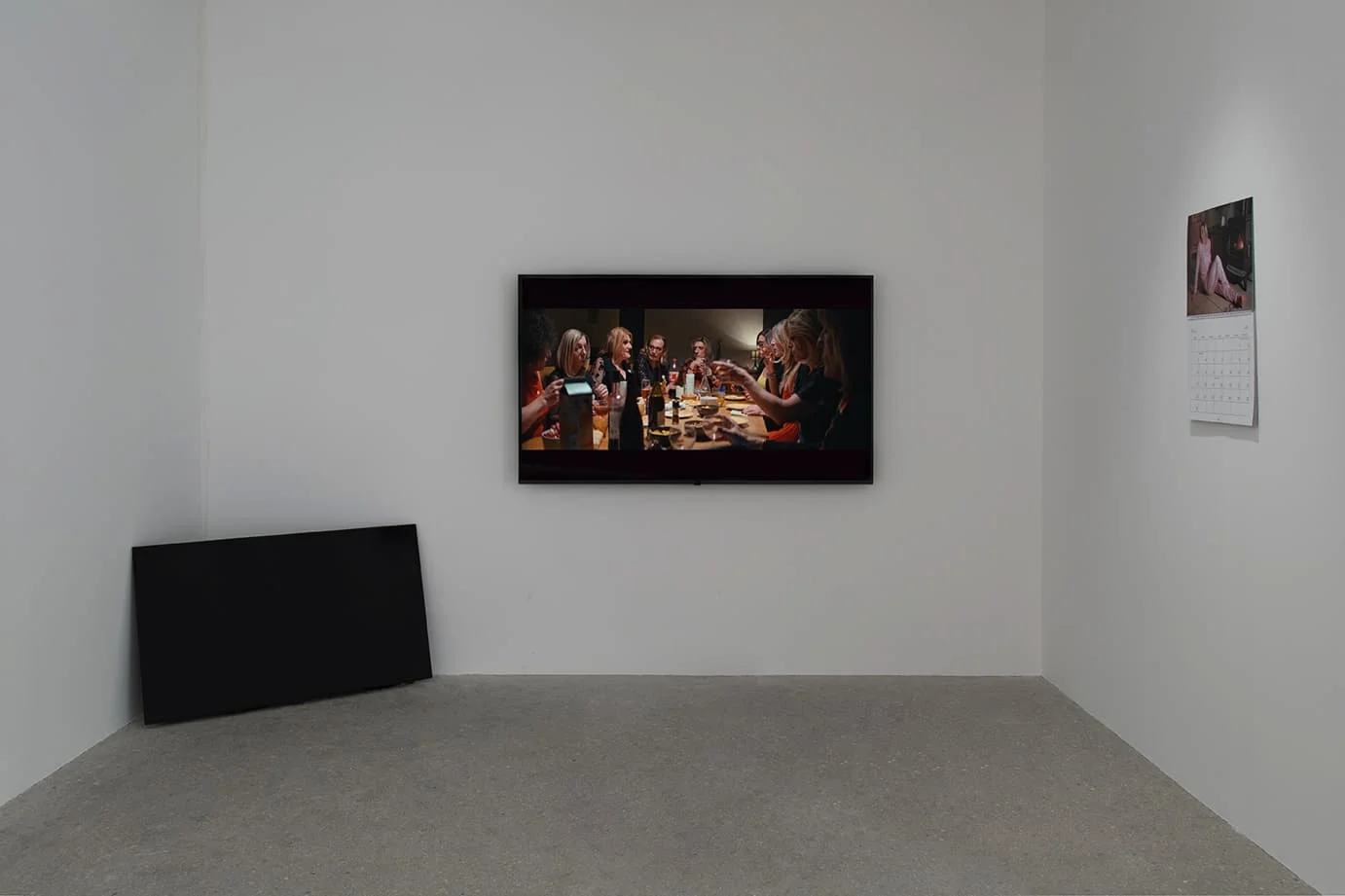
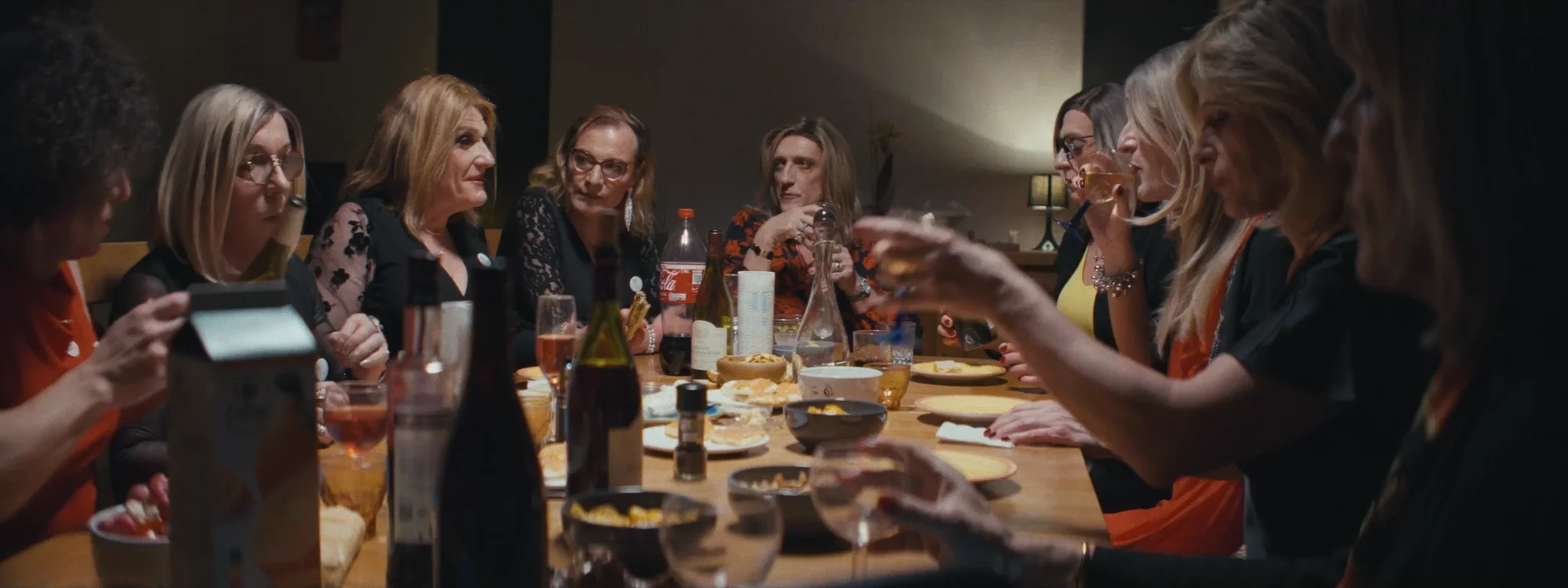
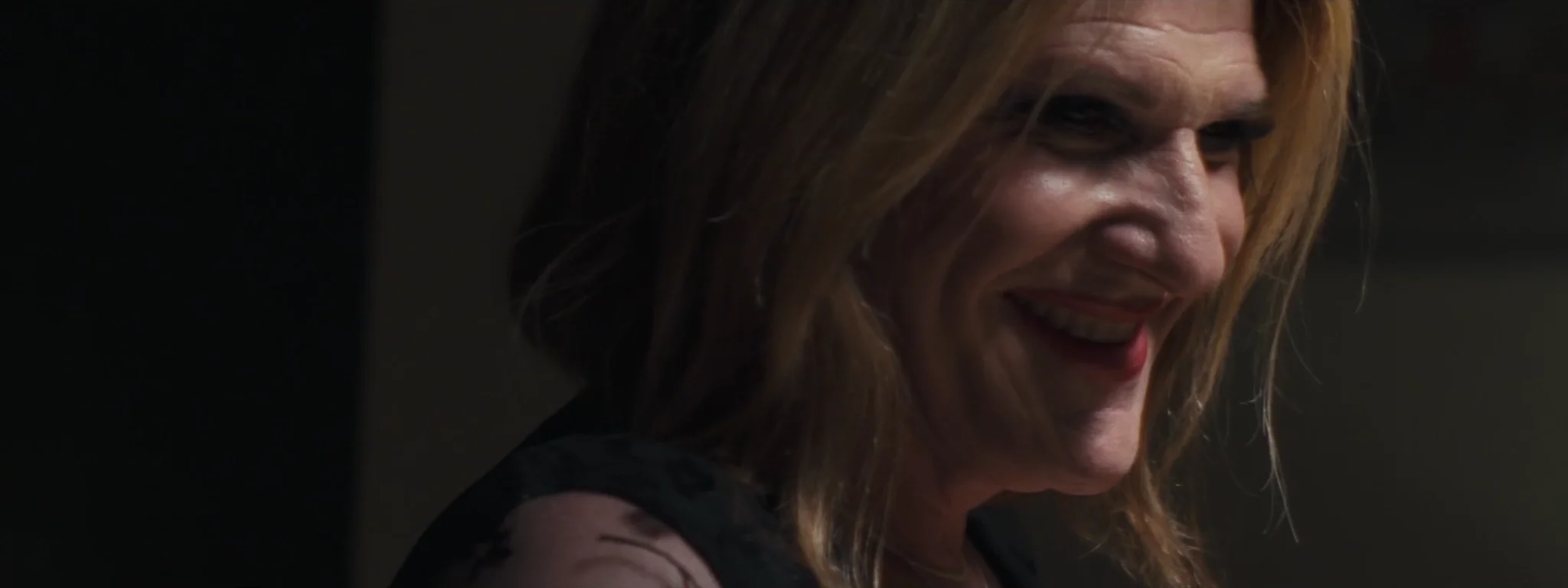
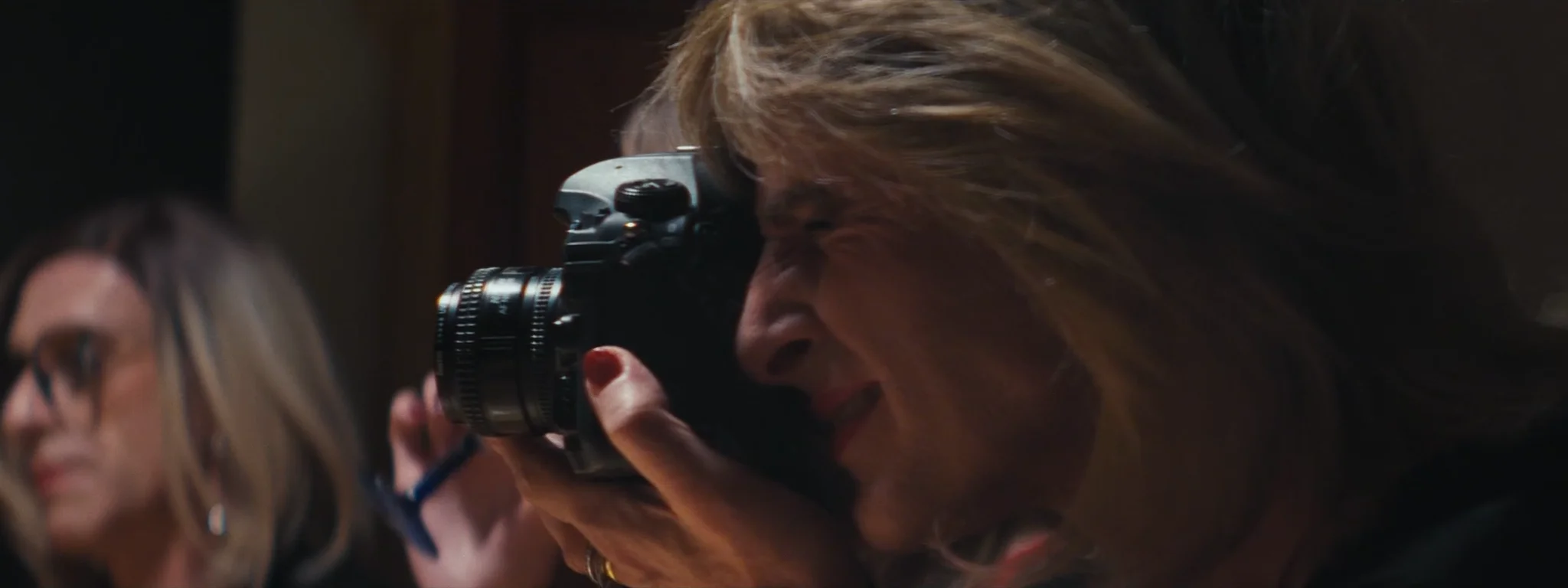
"For the exhibition « L'heure bleue », she presents La Nuit des Divas, together with the Calendrier des Divas, dedicated to the community of transvestite women in France. The project has its roots in a chance meeting with Blanche, a transvestite woman at the beginning of her journey of self-affirmation. From that exchange came deep friendships and an immersion in a little-documented world, where identity takes shape in the in-between, at the crossroads of genders and social representations. She is interested in the trajectories of these women, who move through spheres in which their transvestite identity often remains concealed." Text by Marilou Thirache for L'Heure Bleue, 2025.
Exhibition views, 2025. © Galerie Kamel Mennour. Multimedia installation, two screens, A3 wall calendar, pink sofa.
2011
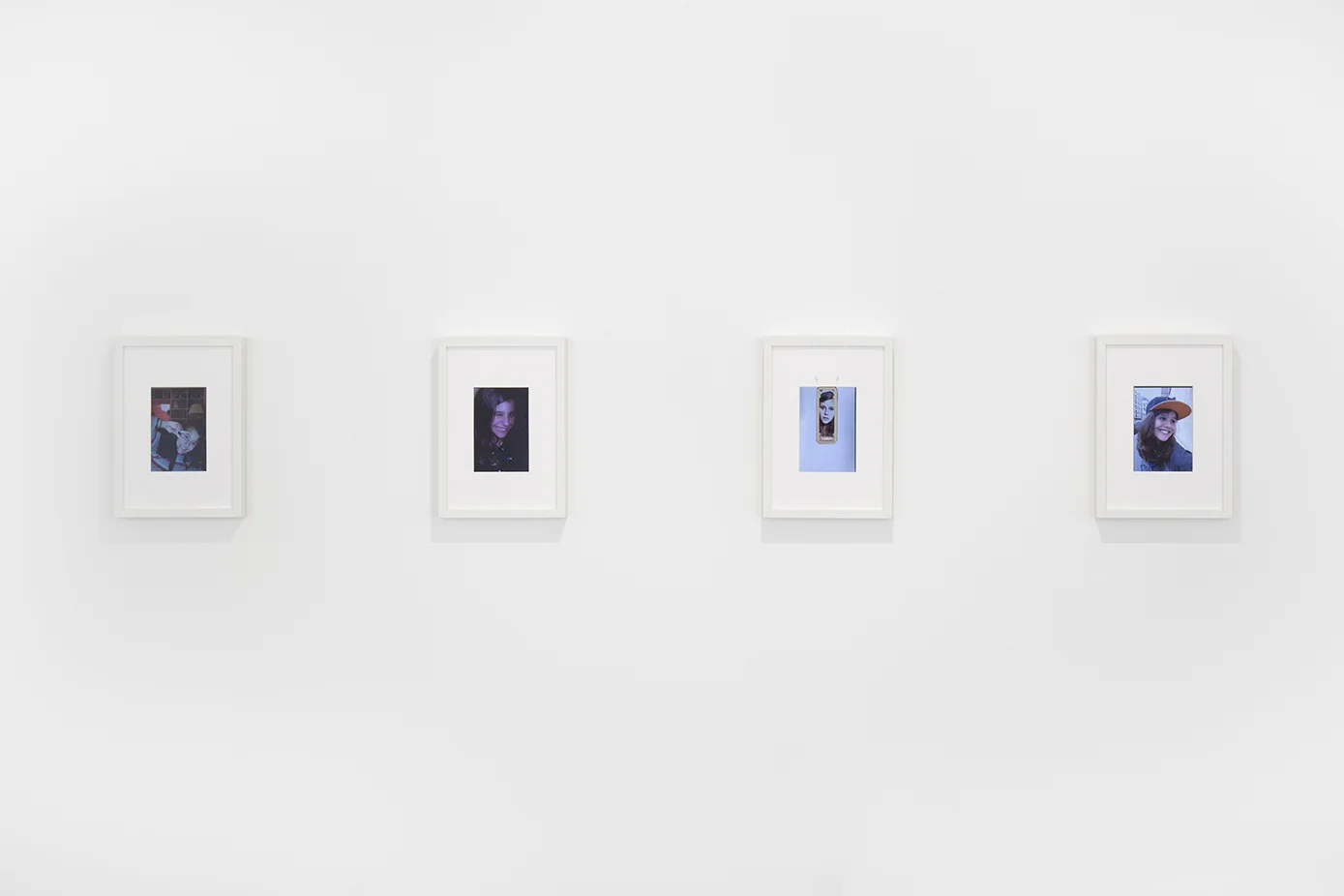
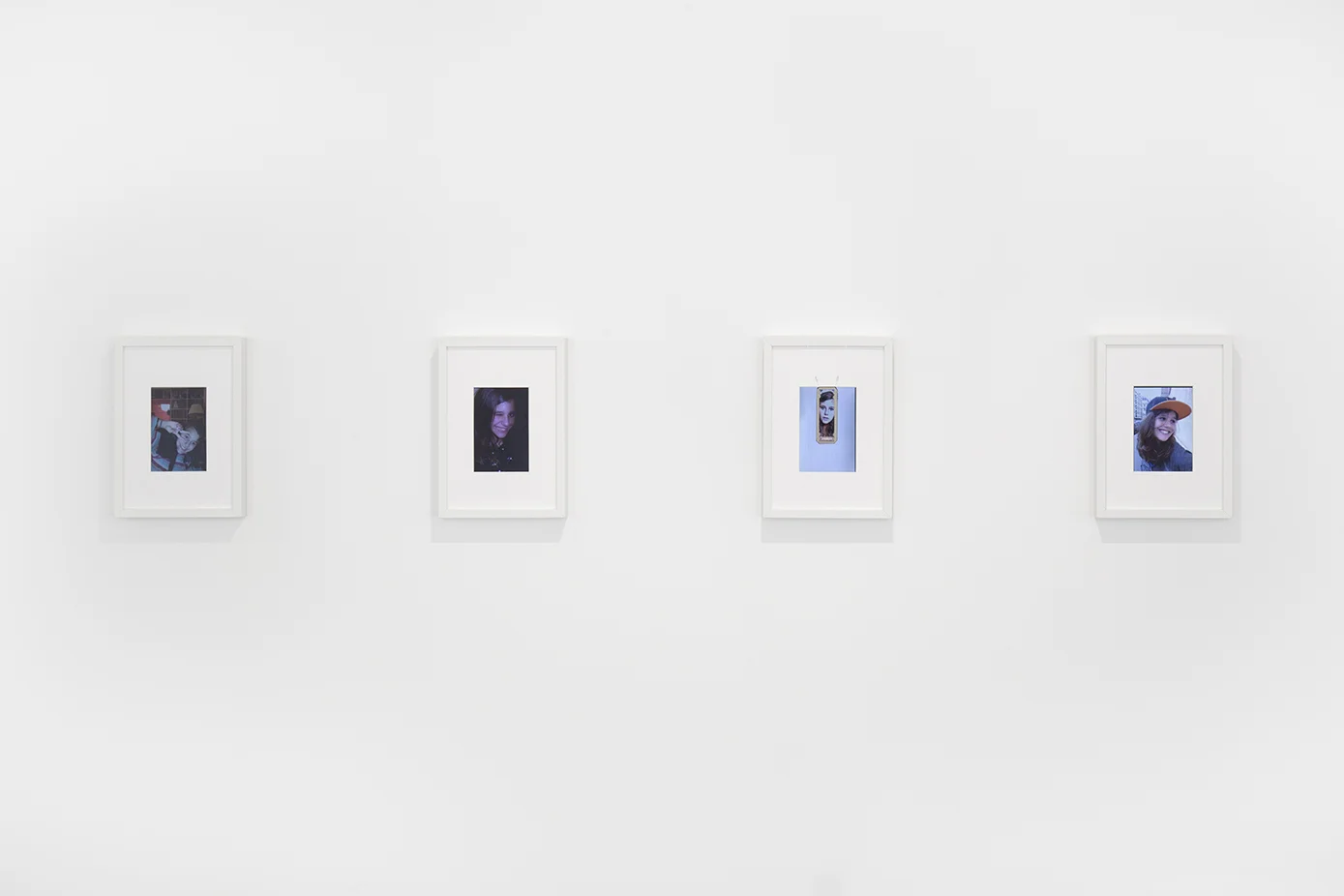
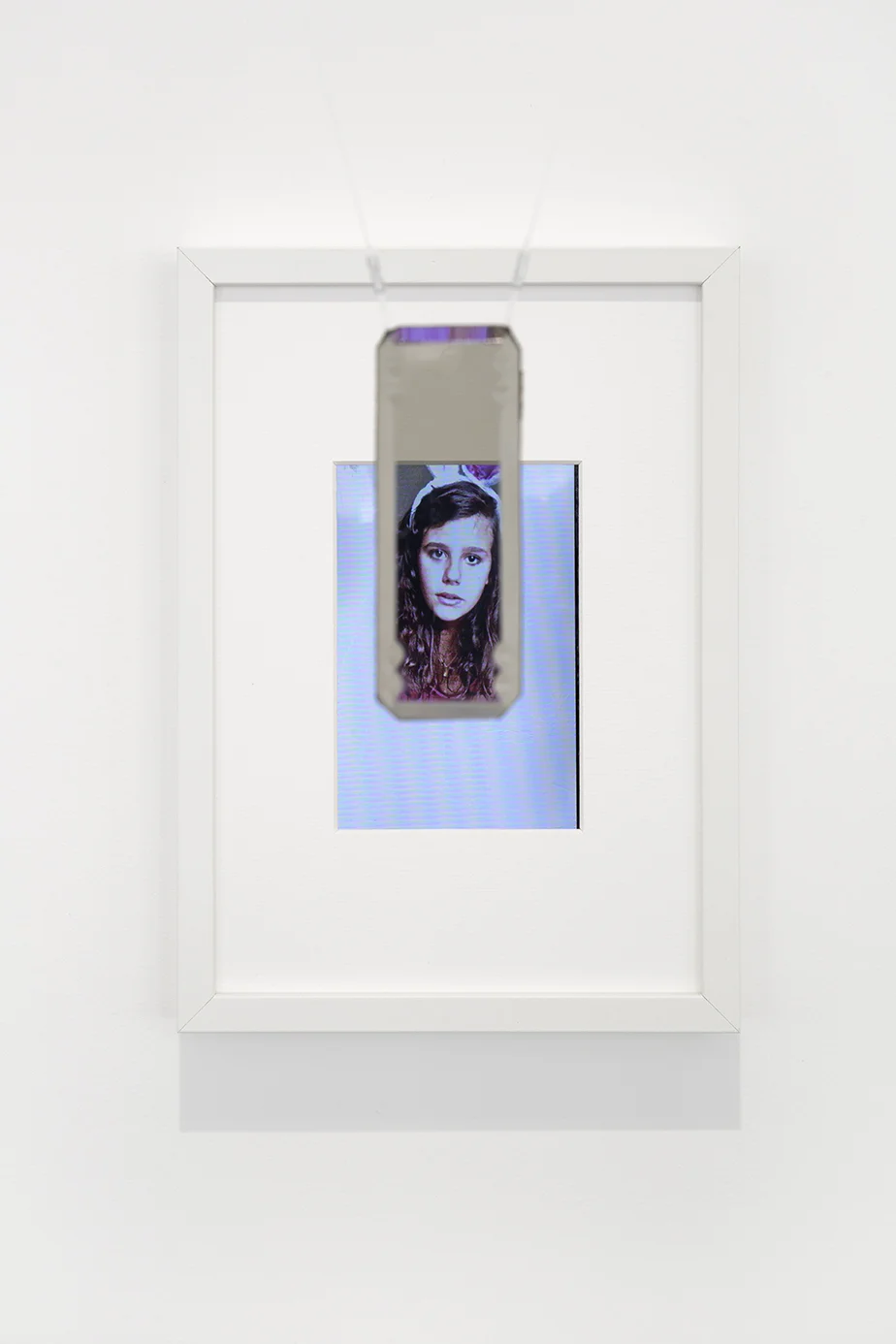
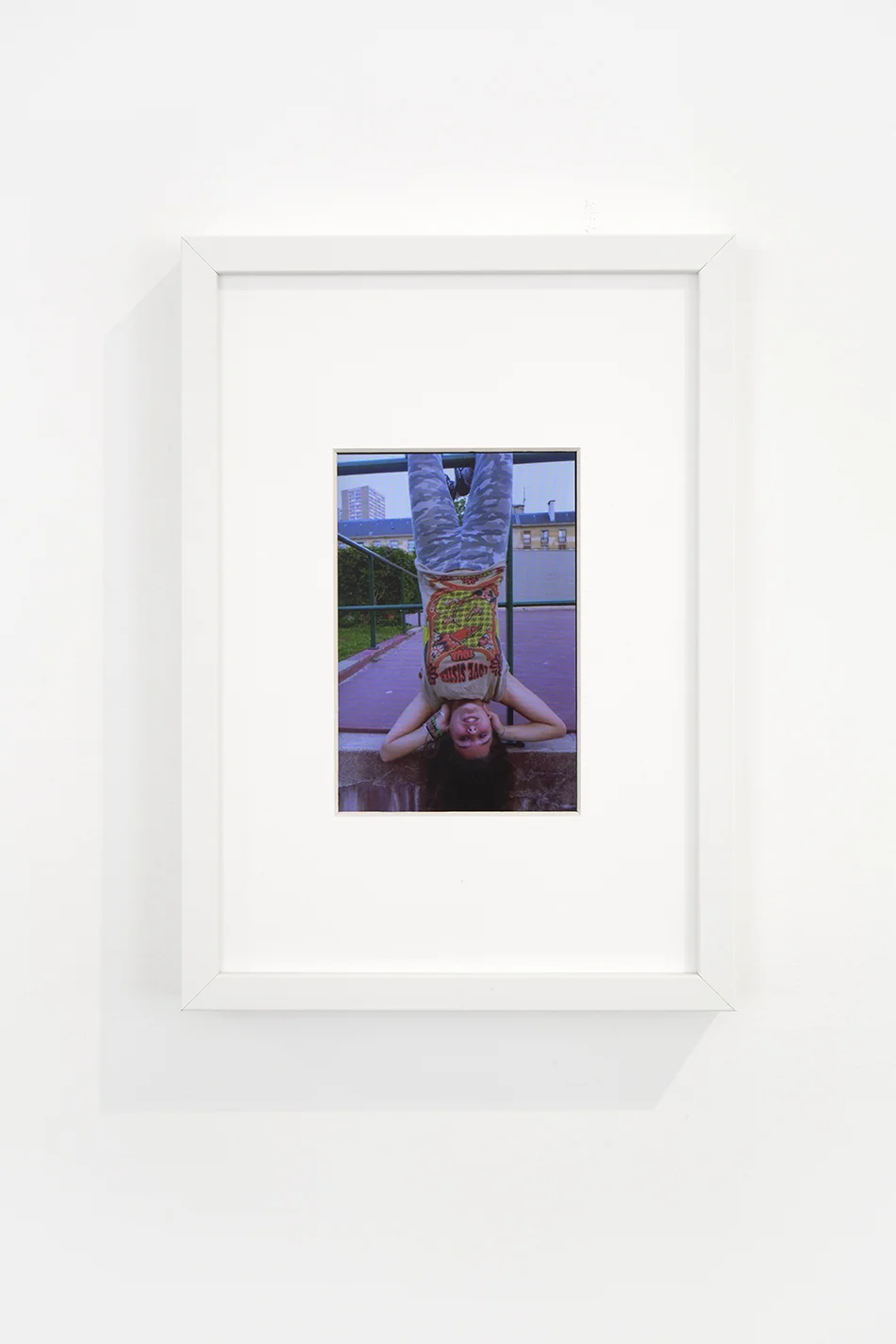
In 2011, I am 11 years old. In 2011, in the eyes of everyone, I become a woman and suddenly become visible in the public sphere. I begin to perform a femininity that is as awkward as it is childlike. Across three screens, a selection of archival footage, all dating from the same year, unfolds. In front of a seemingly blank screen hangs a crystal pendant: once positioned behind it, a disturbing image of me is revealed, dressed up as a Playboy Playmate, wearing lingerie and bunny ears. Behind the crystal, the viewer becomes both confidant and voyeur.
4 digital photo frames, 1 anti-glare screen, 1 Plexiglas strip covered with polarising film, variable dimensions.
SOMETHING BETTER CHANGE
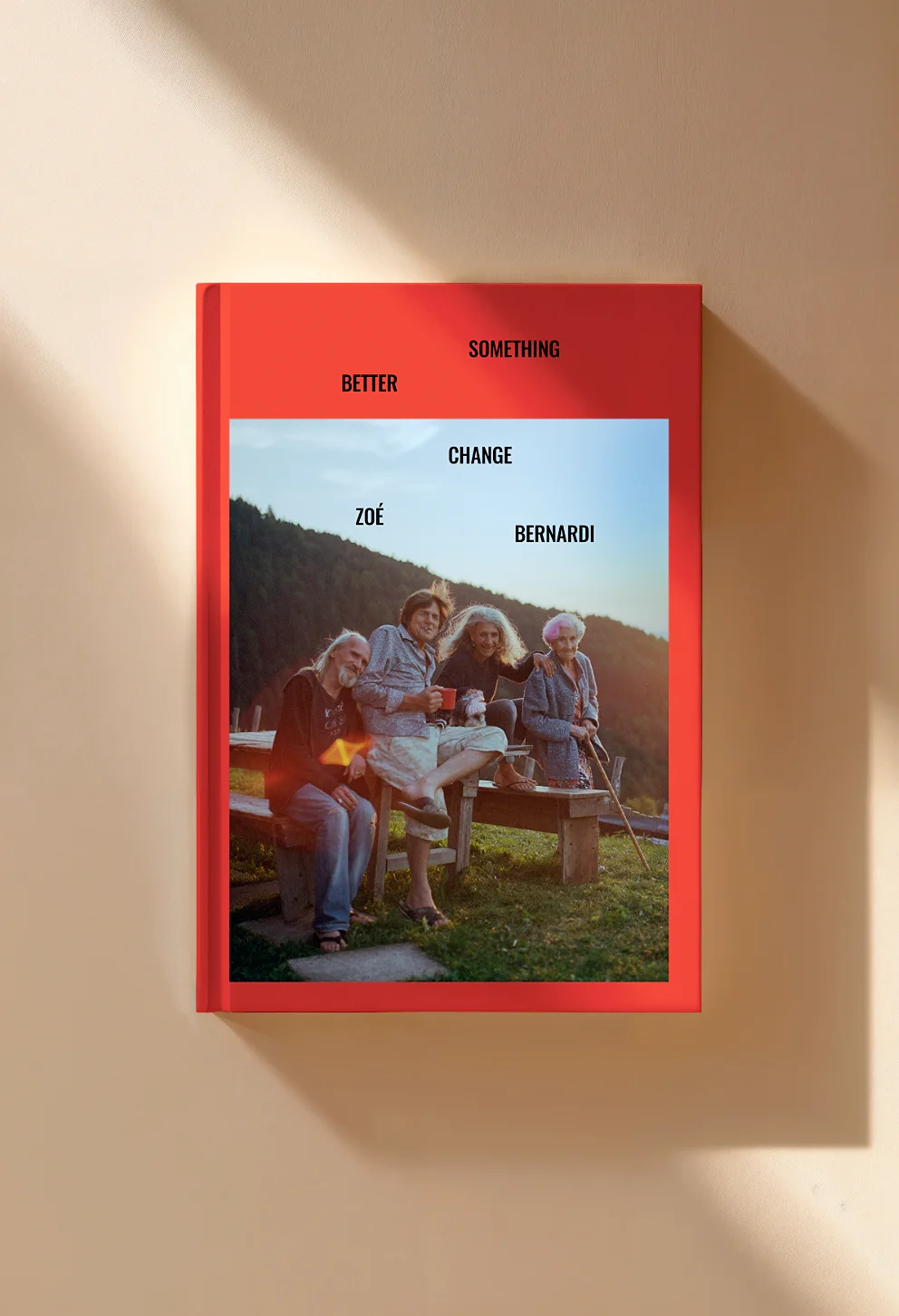
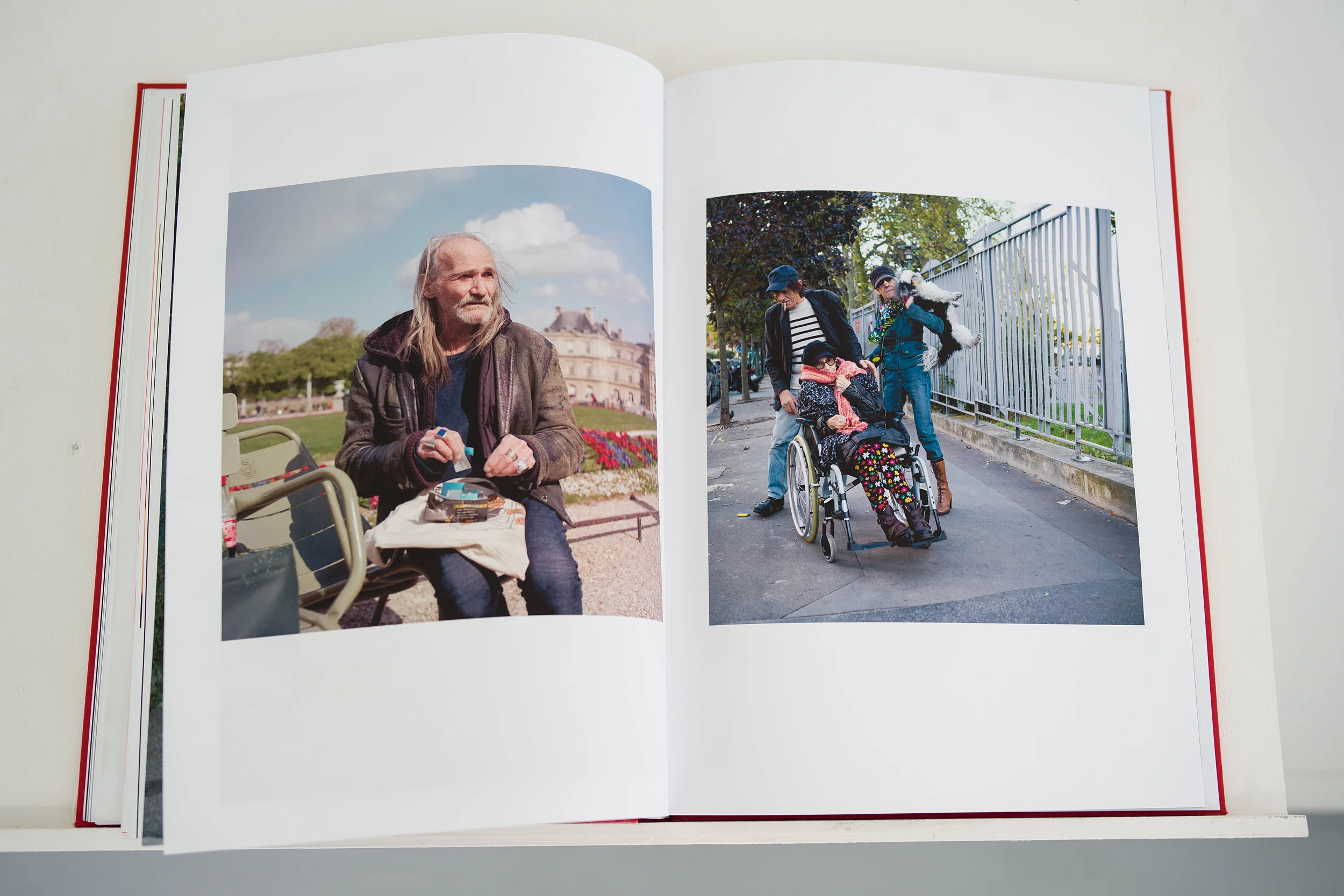
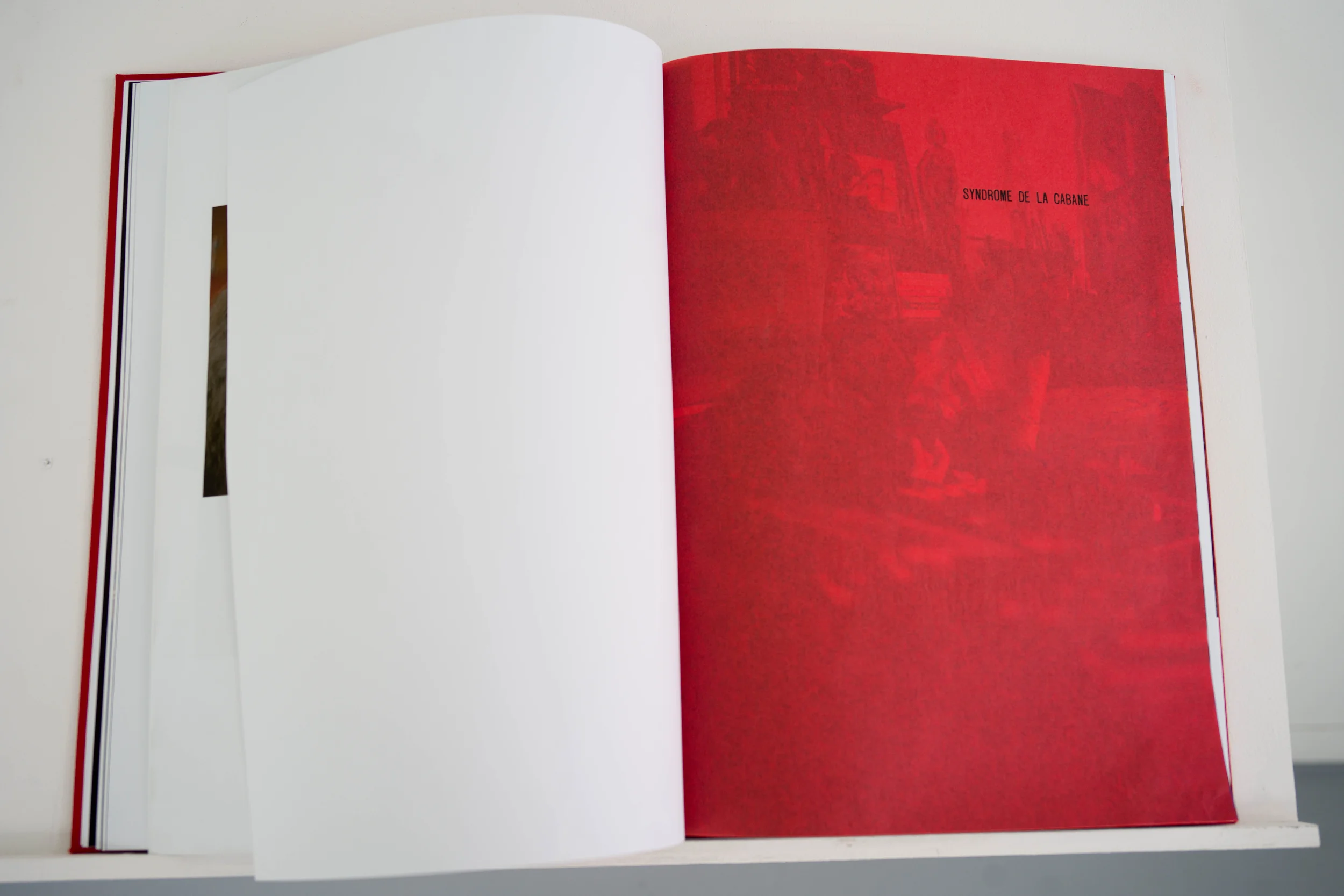
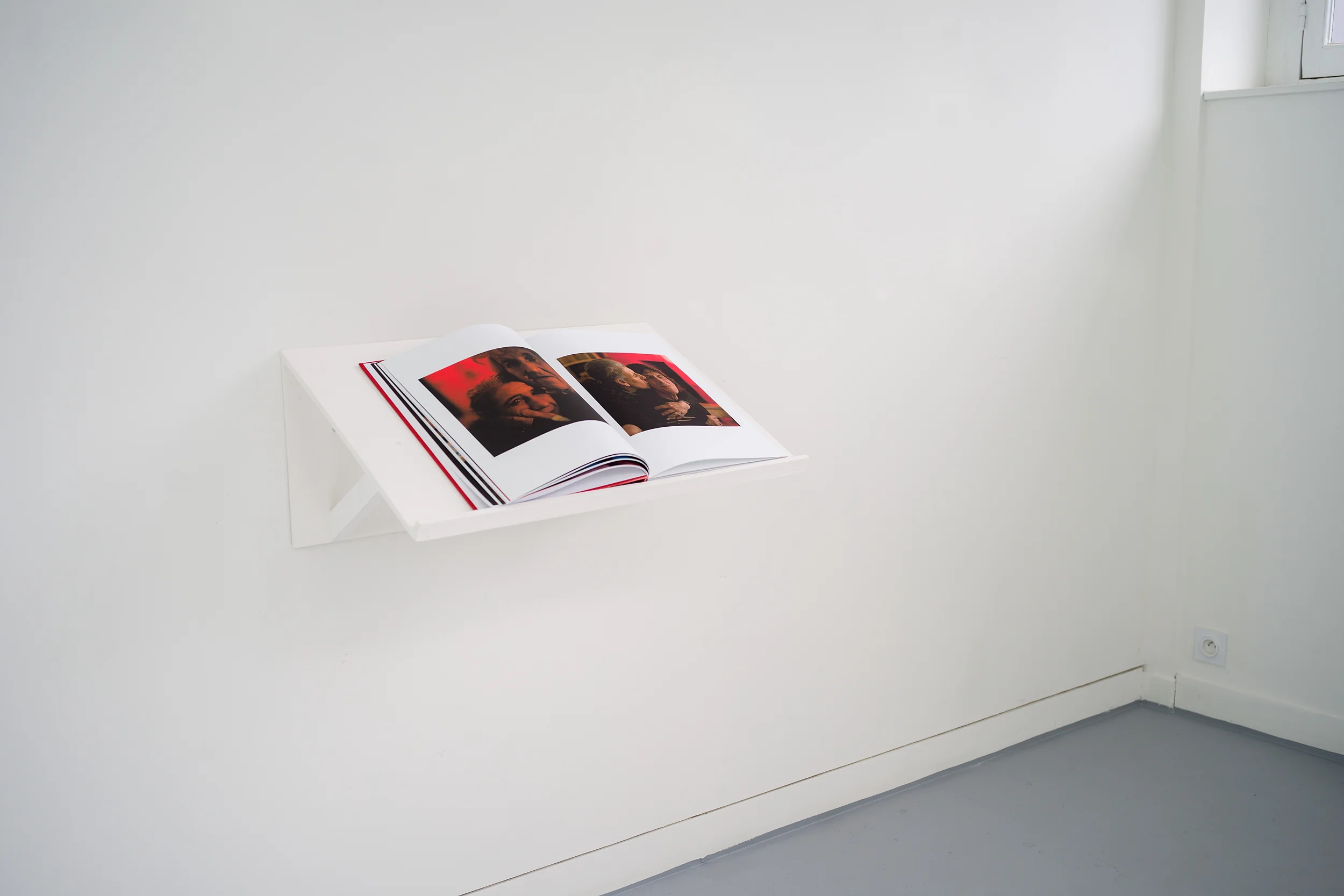
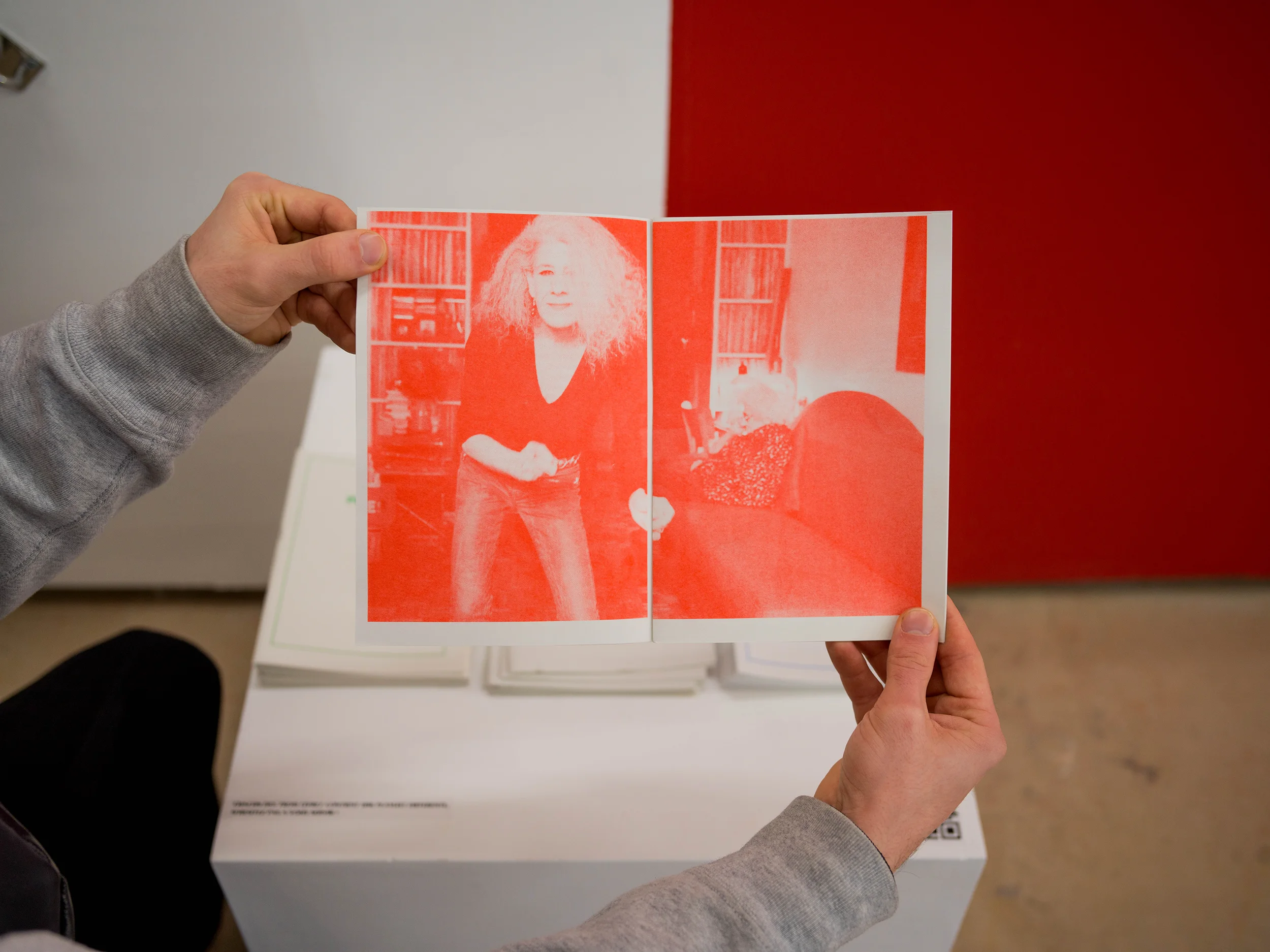
SOMETHING BETTER CHANGE is a photographic book giving a view of six years of tender, punk cohabitation, forthcoming from éditions Loco. It is currently available to pre-order with exclusive rewards, at livre.zoebernardi.com.
Mockup, photographic book, 2024, 29.7 x 42 cm, 136 pages.
Camouflage
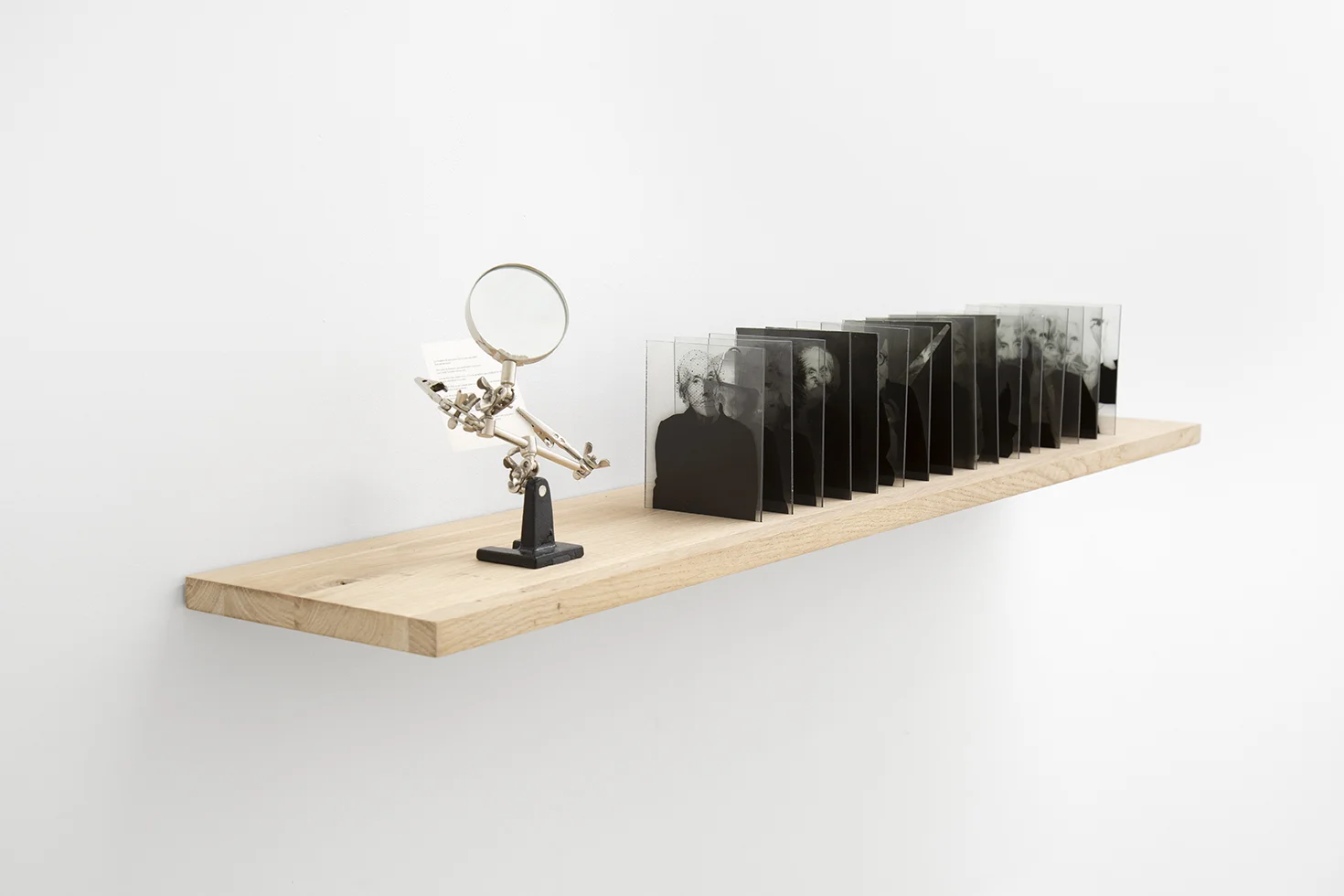
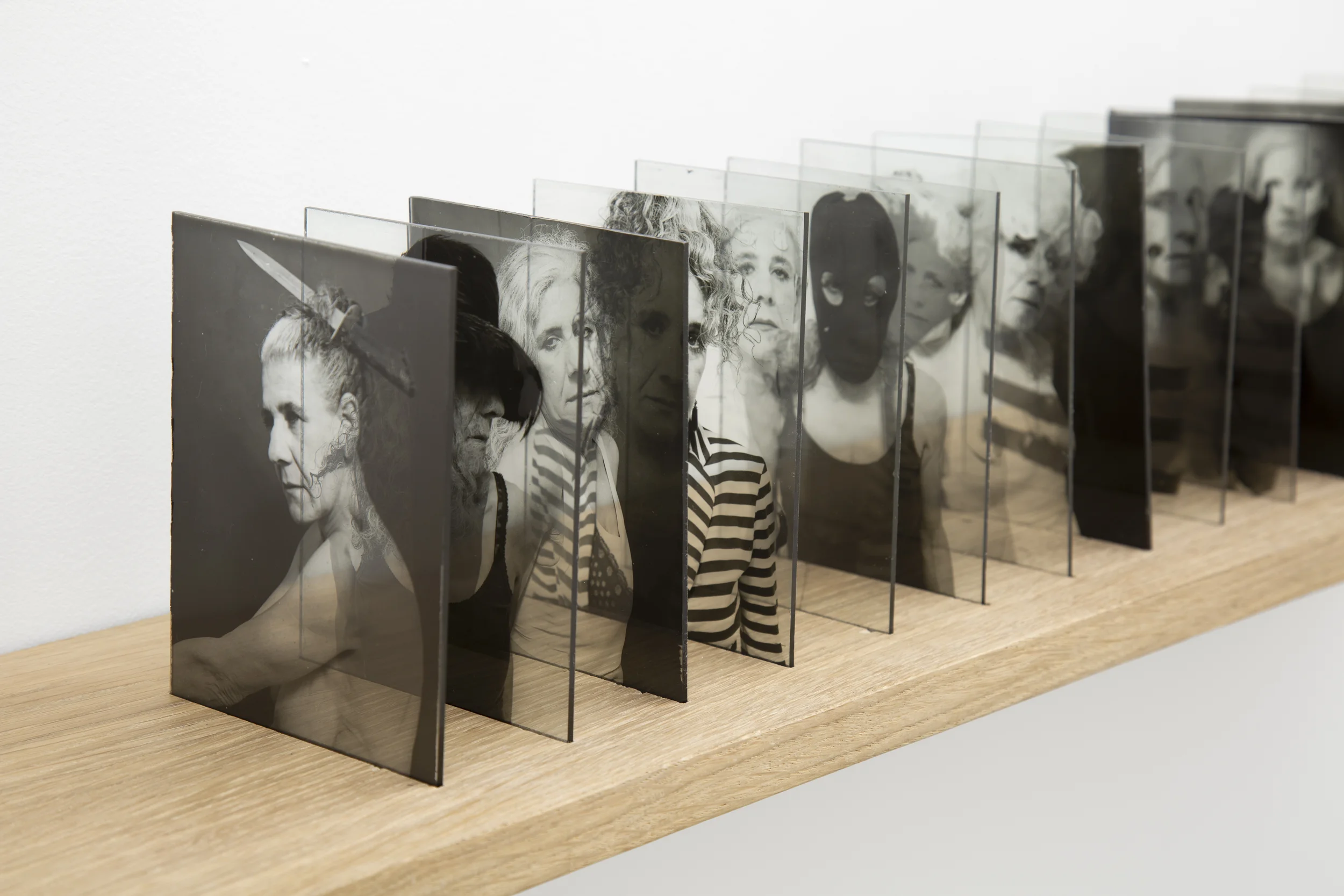
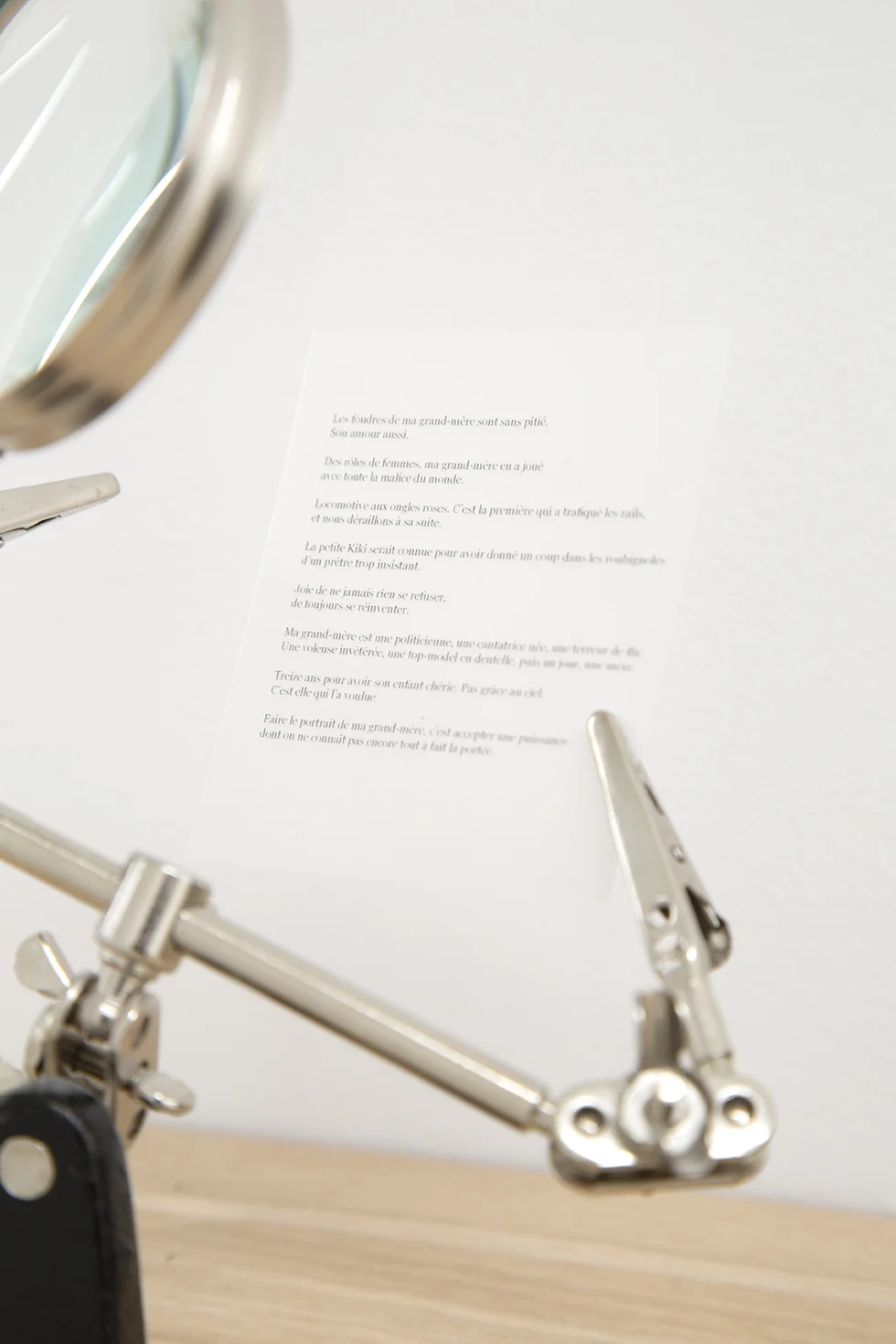
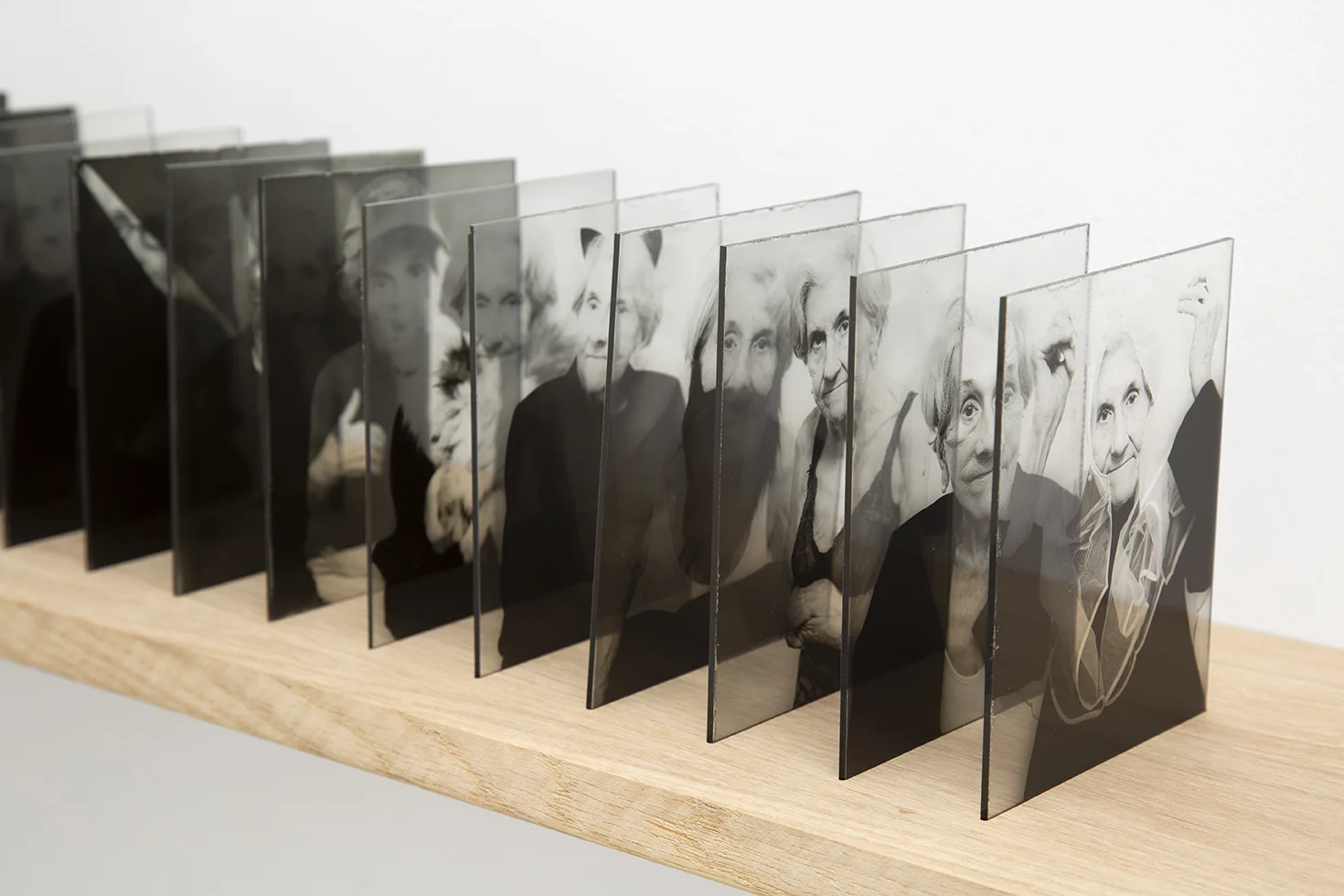
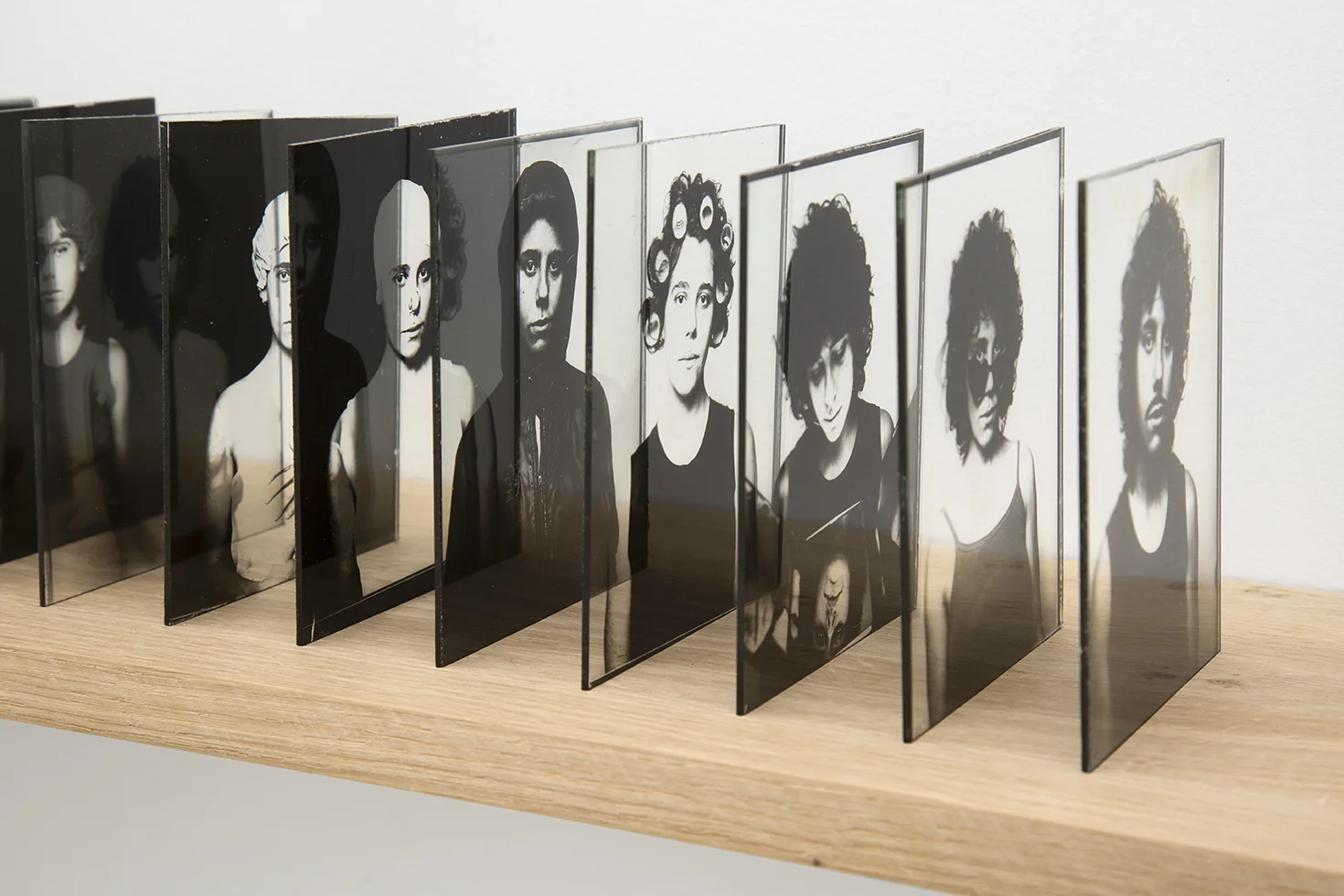
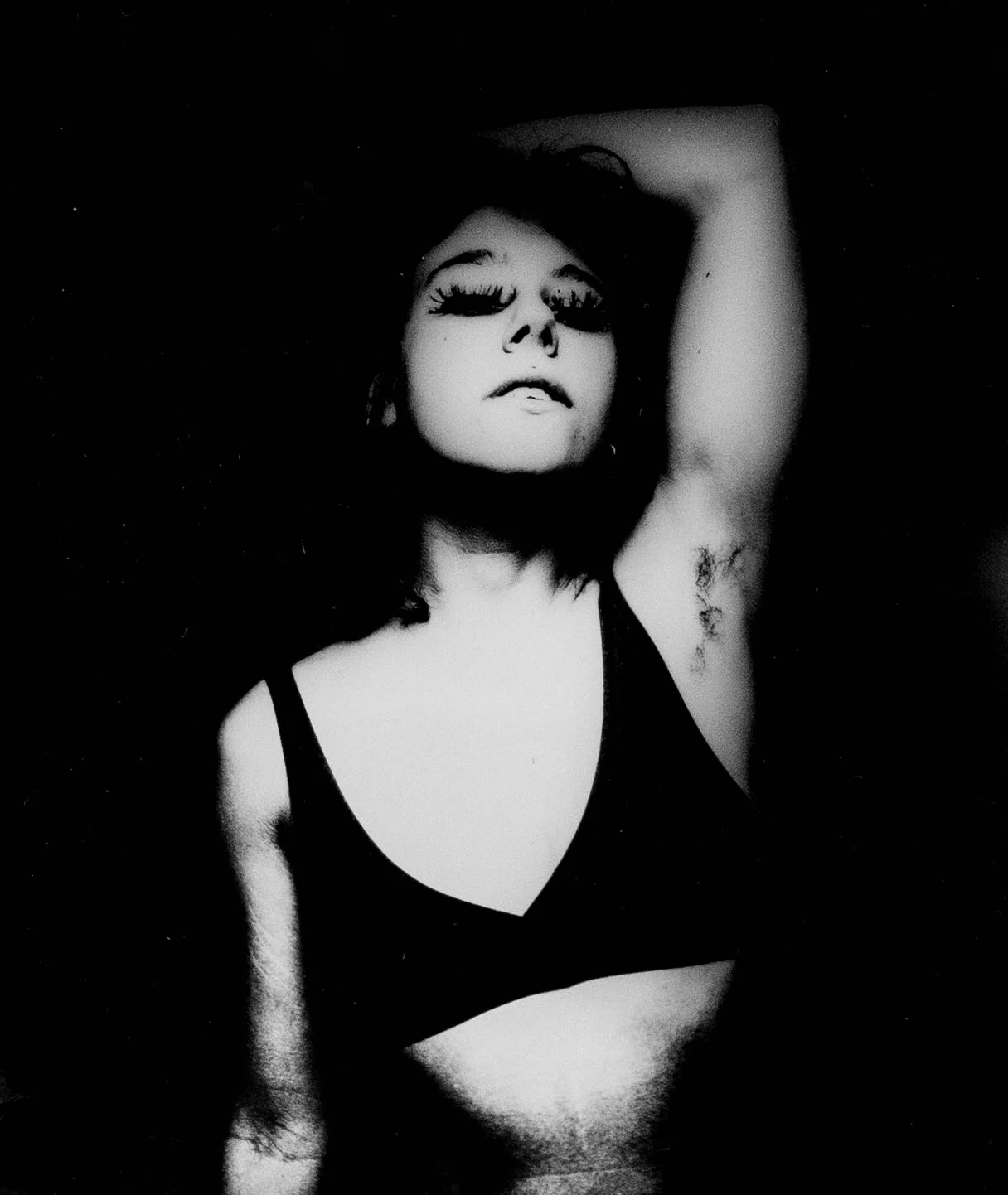
"In Camouflages, a series created from photographic glass plates, the artist depicts herself alongside her mother and grandmother. Each image is based on a subtle shift: an accessory, a characteristic, or a detail is enough to disrupt the reading of the face. Identities become unstable, and gendered signs circulate from one figure to another, while the reflections and transparency of the glass prevent any definitive reading. Bodies emerge as shifting constructions, irreducible to the categories that seek to fix them." Marilou Thirache pour I wanna be loved by you.
Shelf with 16 photographs inserted into glass panels, a magnifying glass, and tracing paper.
Le métier de vivre
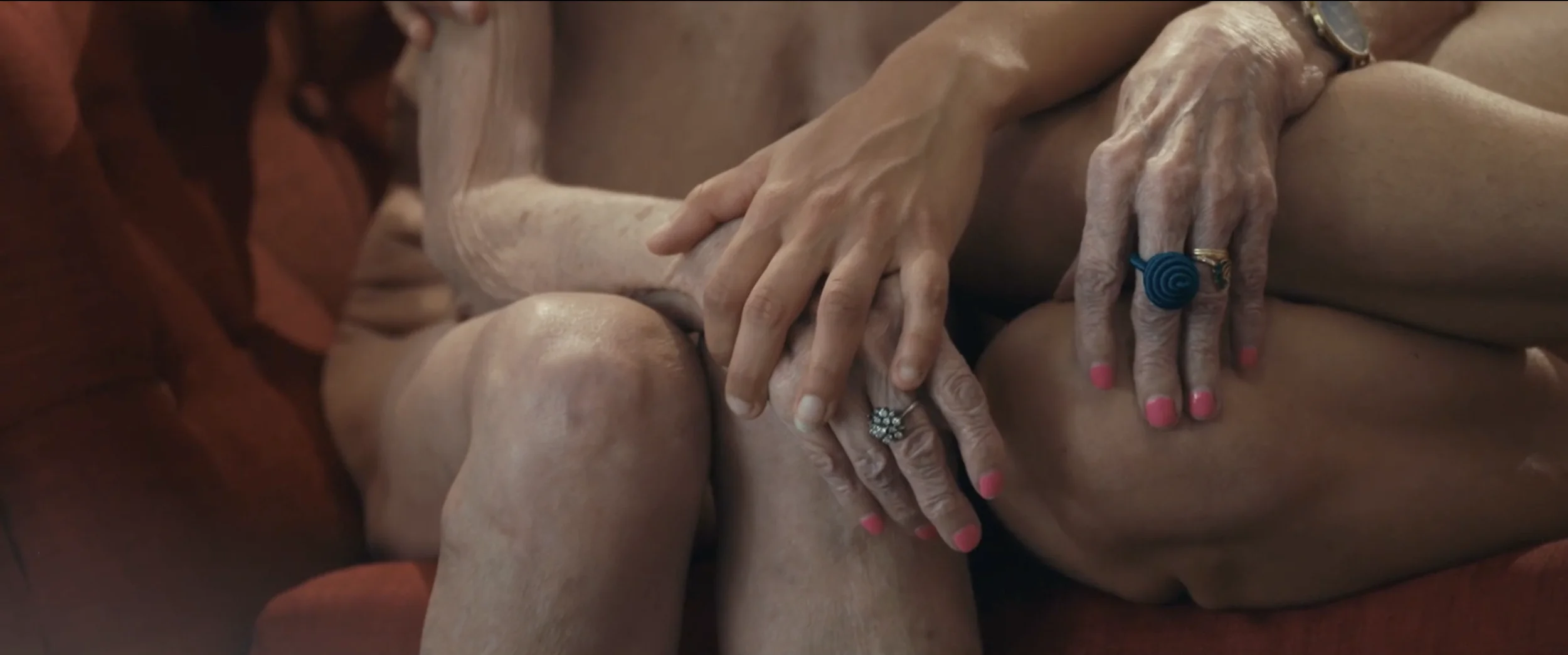
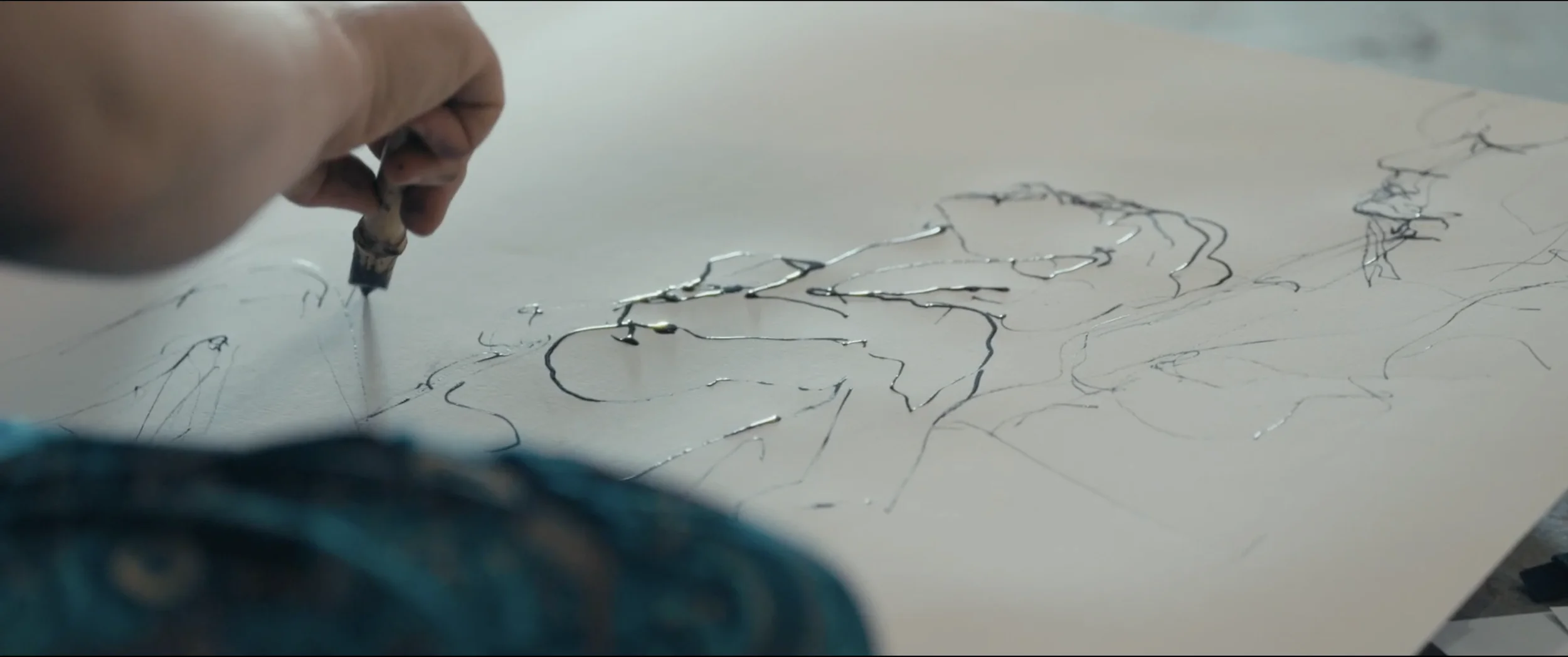
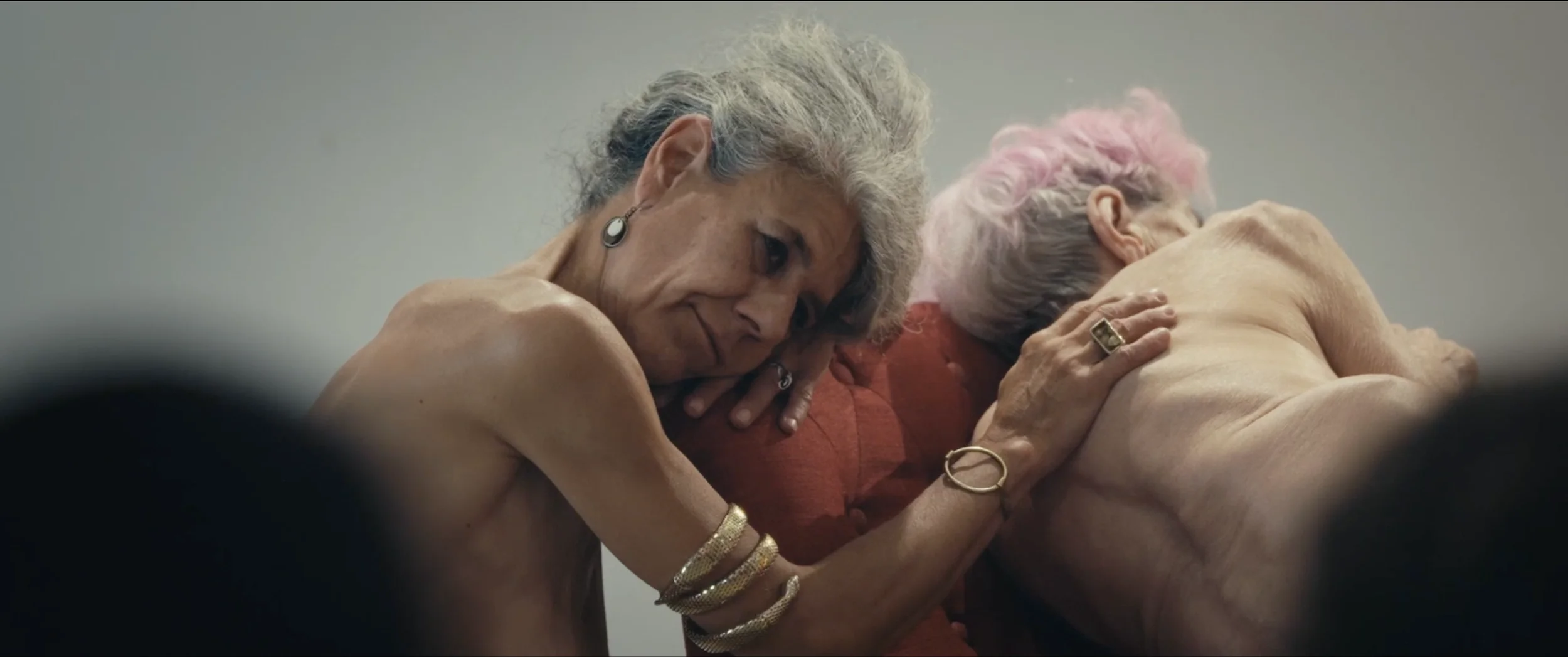
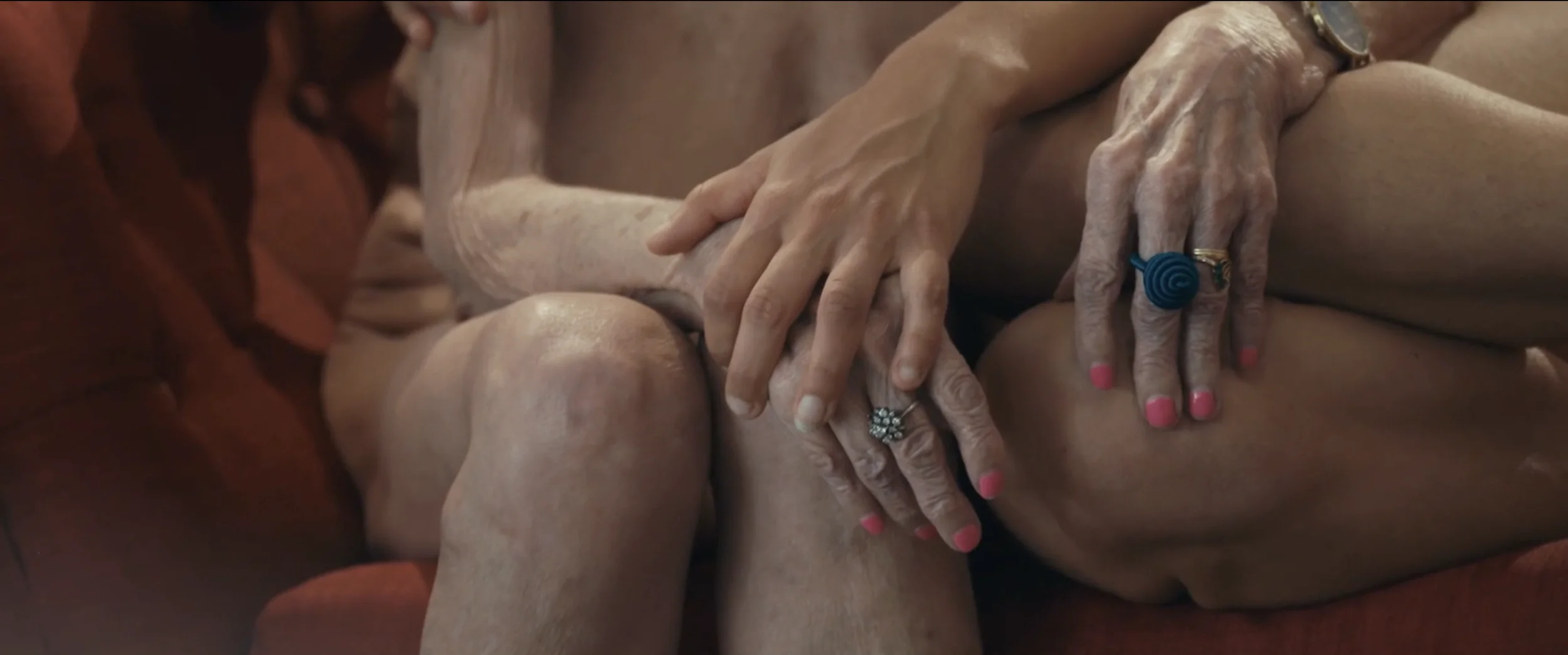
The Art of Living is a video drawn from a life-drawing performance. The artist, her mother, and her grandmother pose naked together before a group of artists, gradually merging as the pencils trace their forms and their bodies press against one another.
Le métier de vivre, 2m50, 2026.
Tonsures
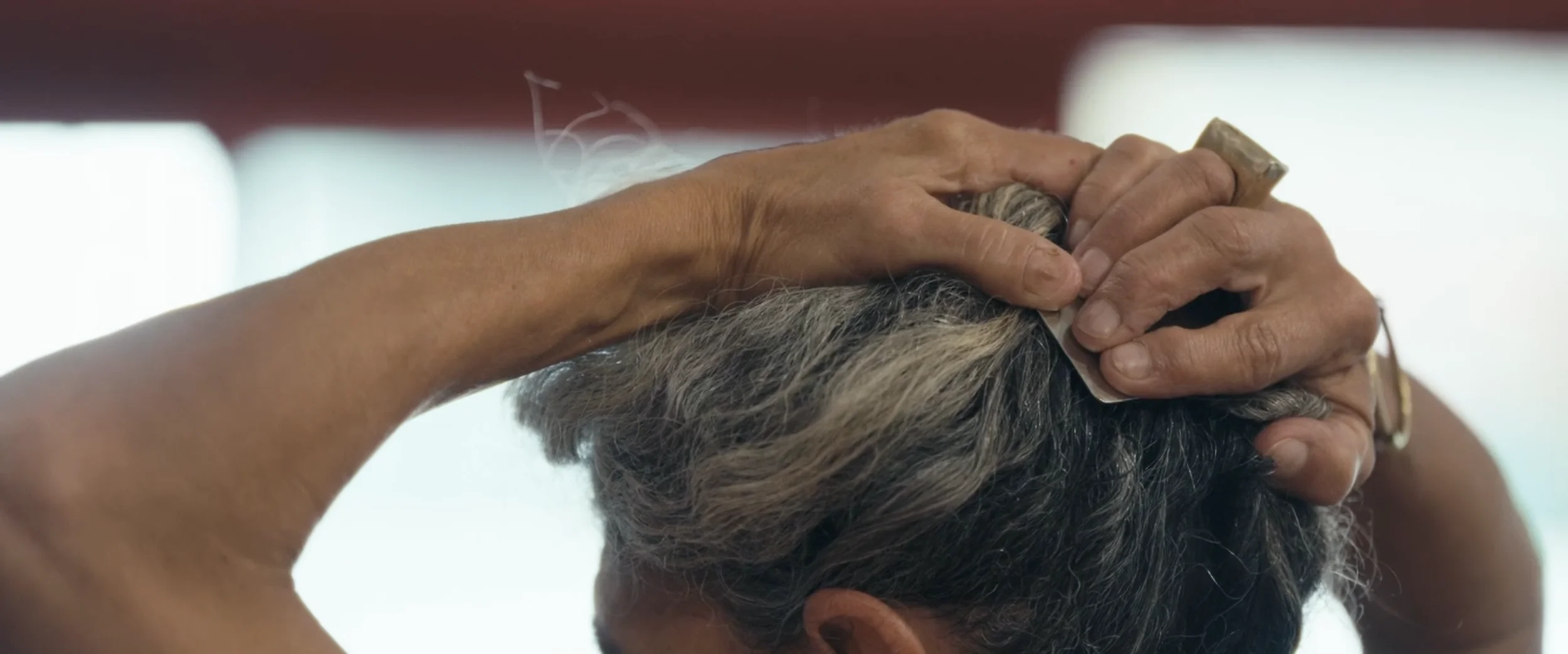
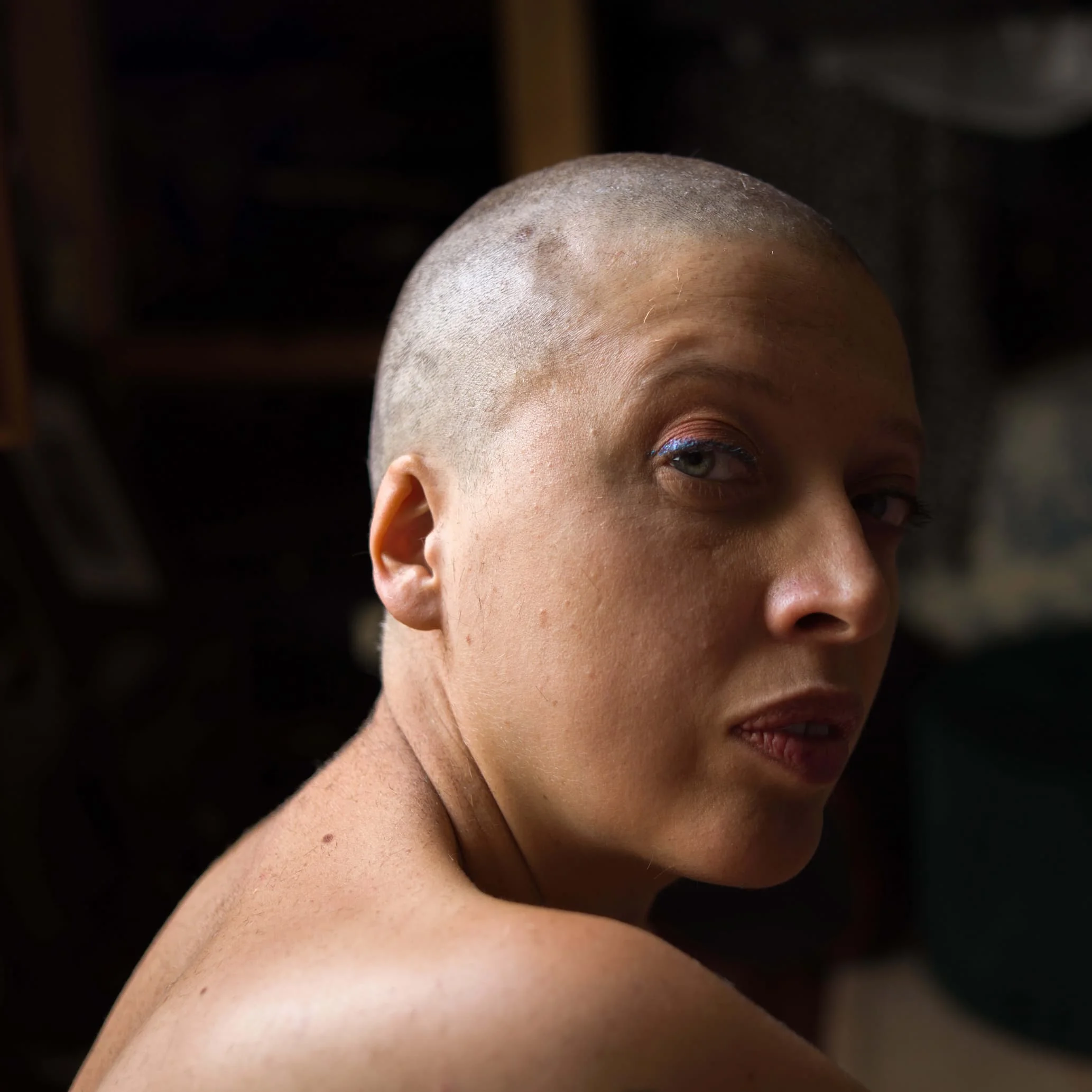
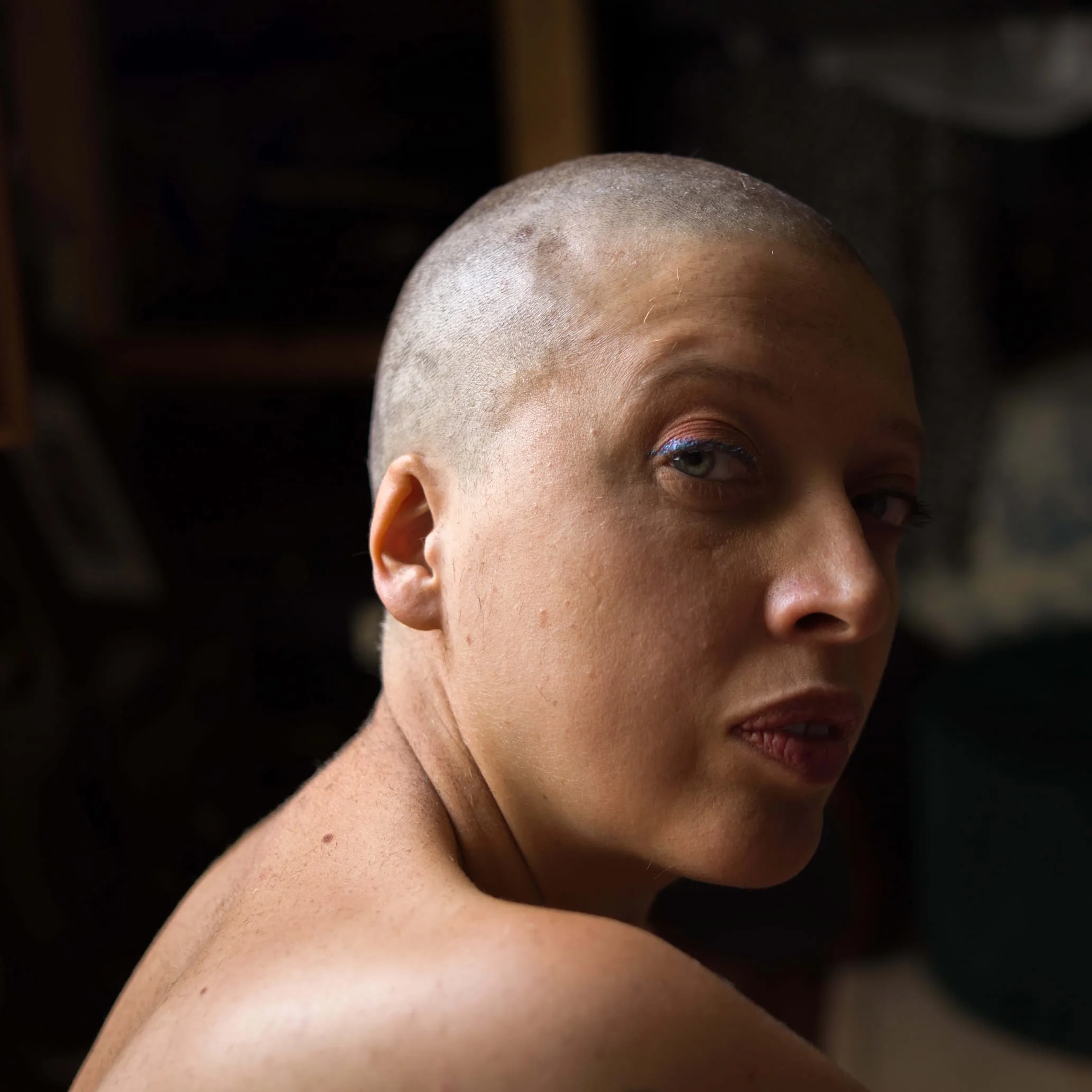
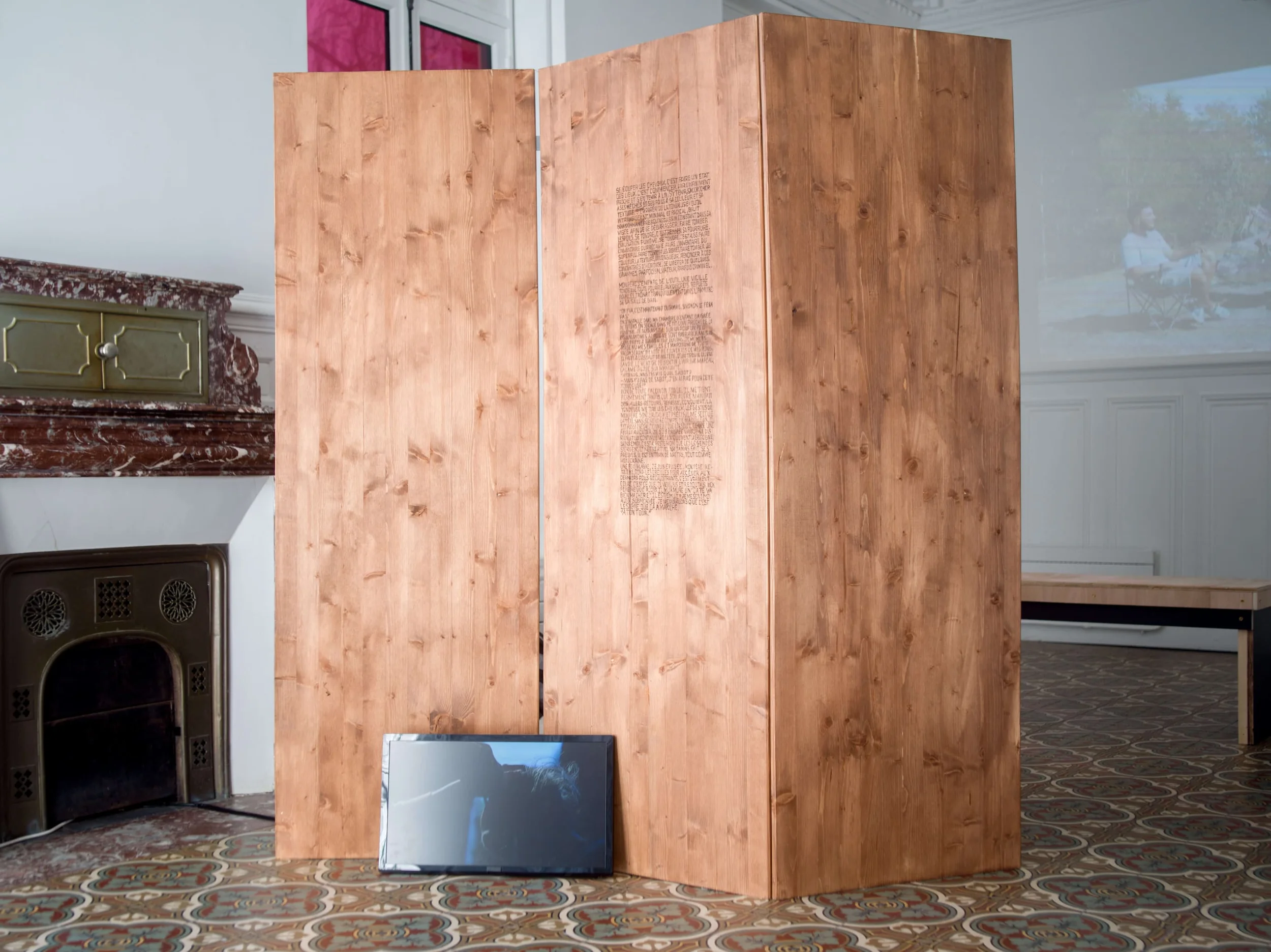
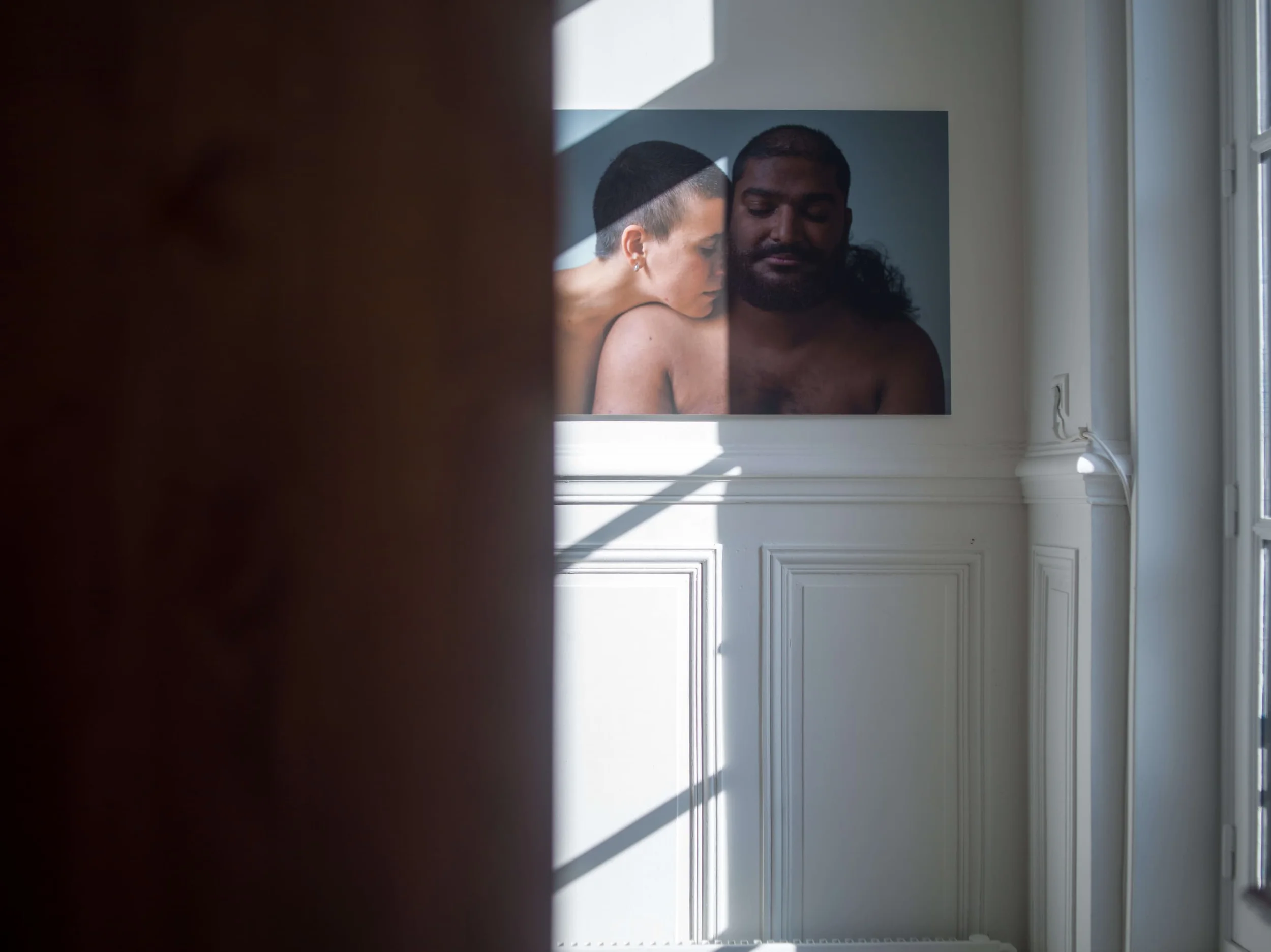
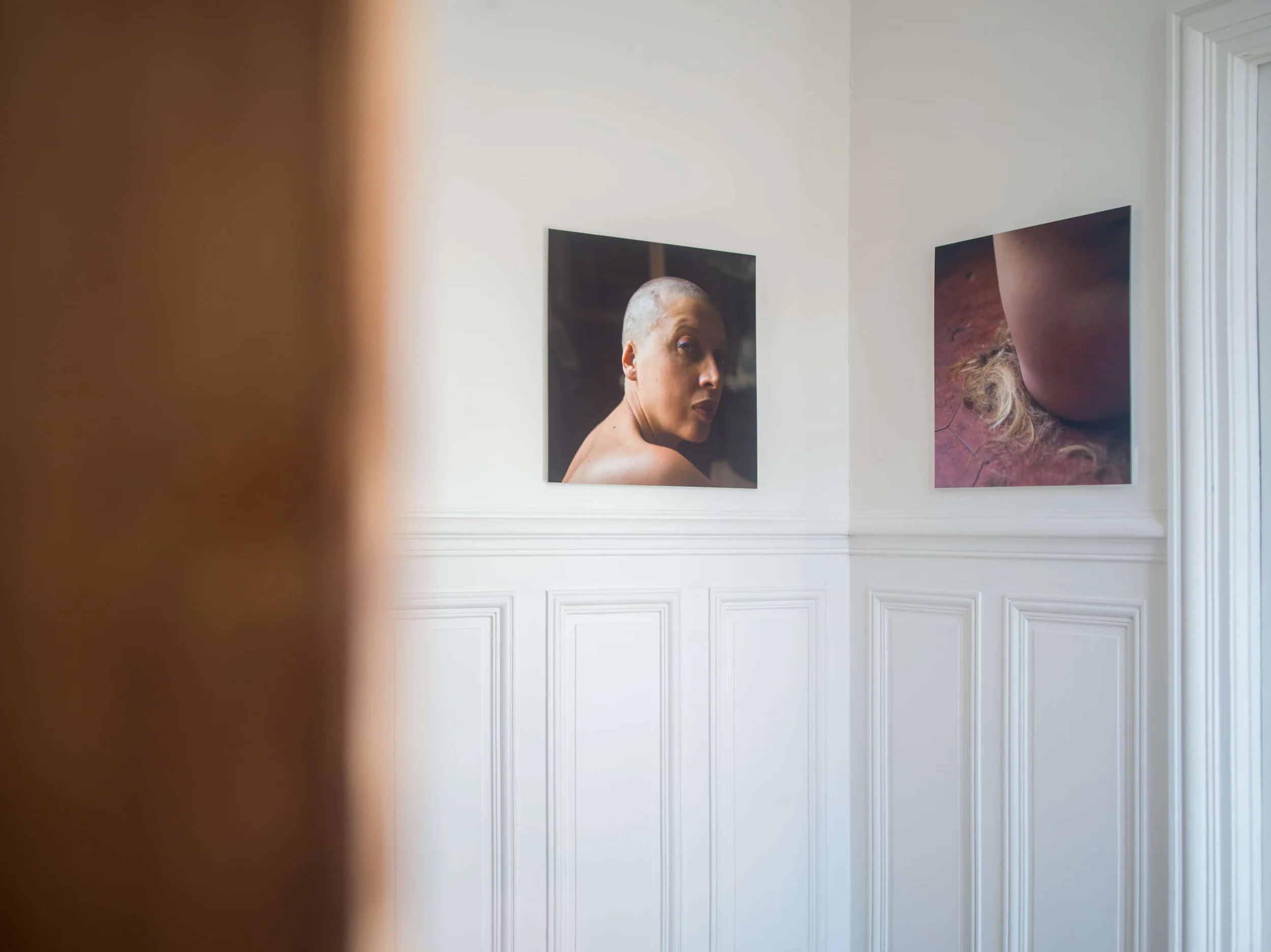
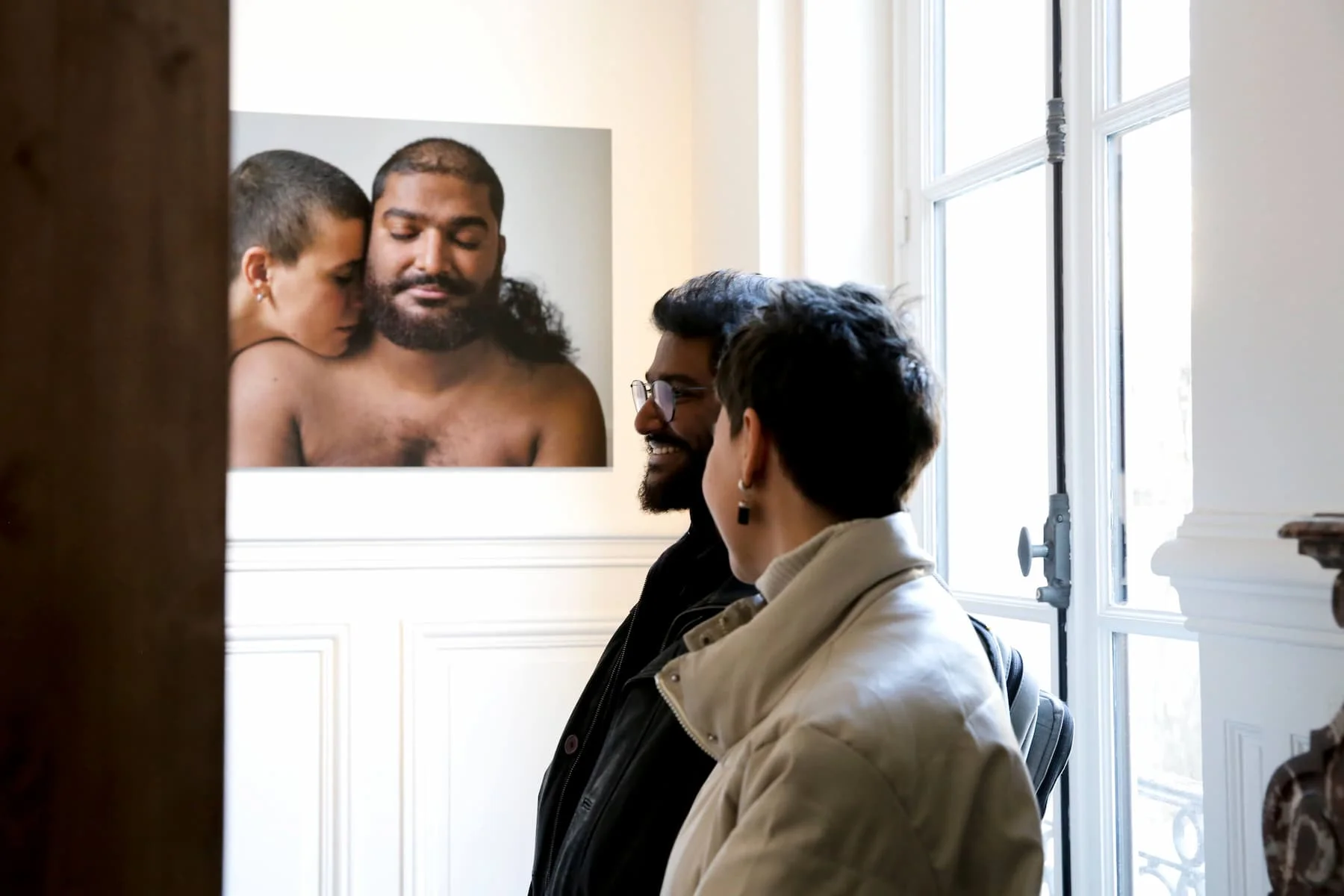
Installation for the exhibition Nouveaux Hérauts, curated by Audrey Illouz at the Centre Culturel Jean Cocteau. Extract from the text written by Audrey Illouz and Luca Avanzini for the exhibition Nouveaux Hérauts, 2023: « In her photographs from the series Tondue, the artist starts from the experience of head-shaving that she and her father carried out on one another. The virile ritual is turned on its head, and the shaved skull takes on multiple connotations, of identity and of history. The artist shaves other subjects in turn: the act becomes tender and turns into a ritual of care. The bared skull becomes a porous membrane between interiority and exteriority. »
Photographs, video, text pyrographed on a wooden screen
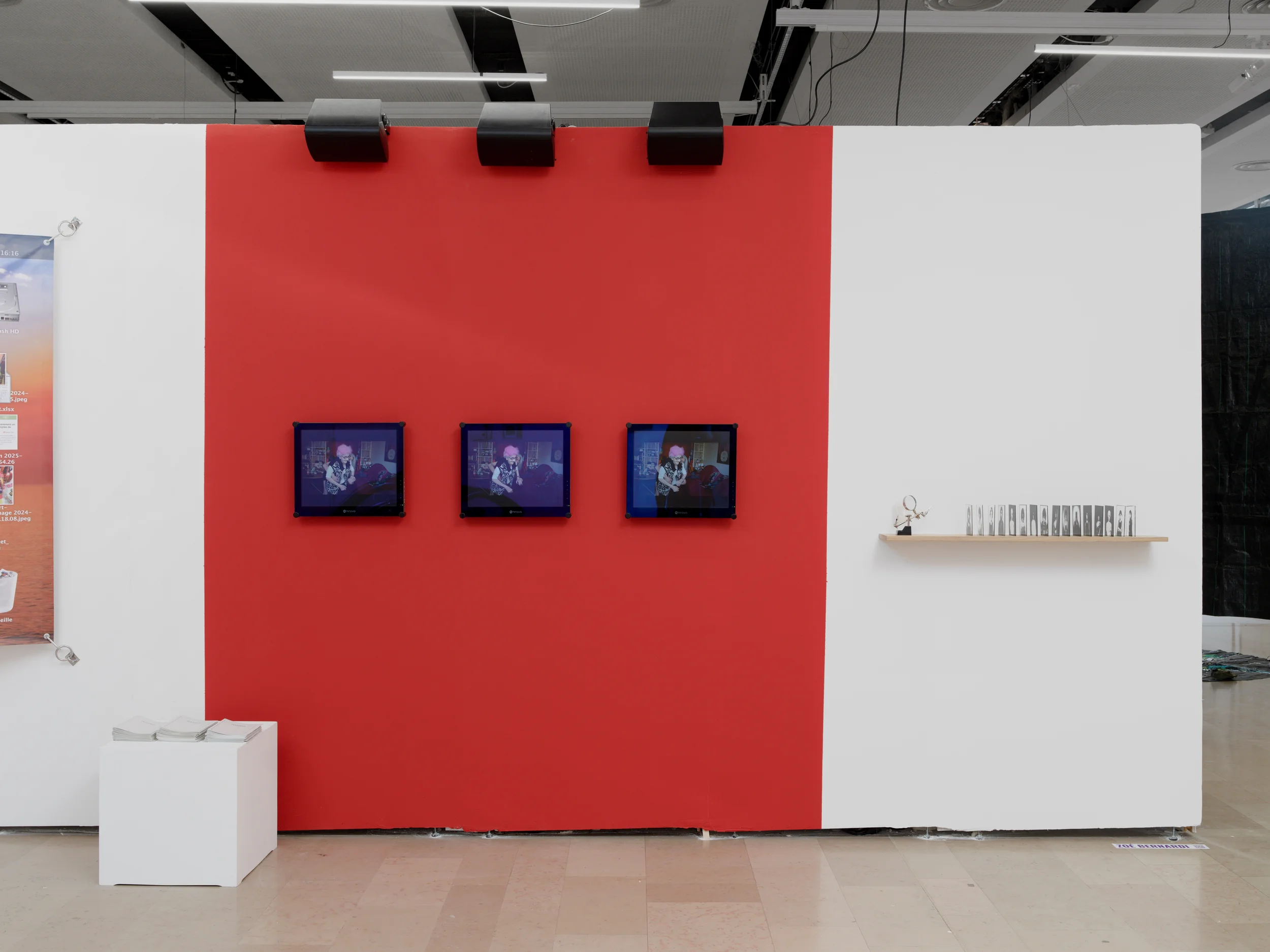
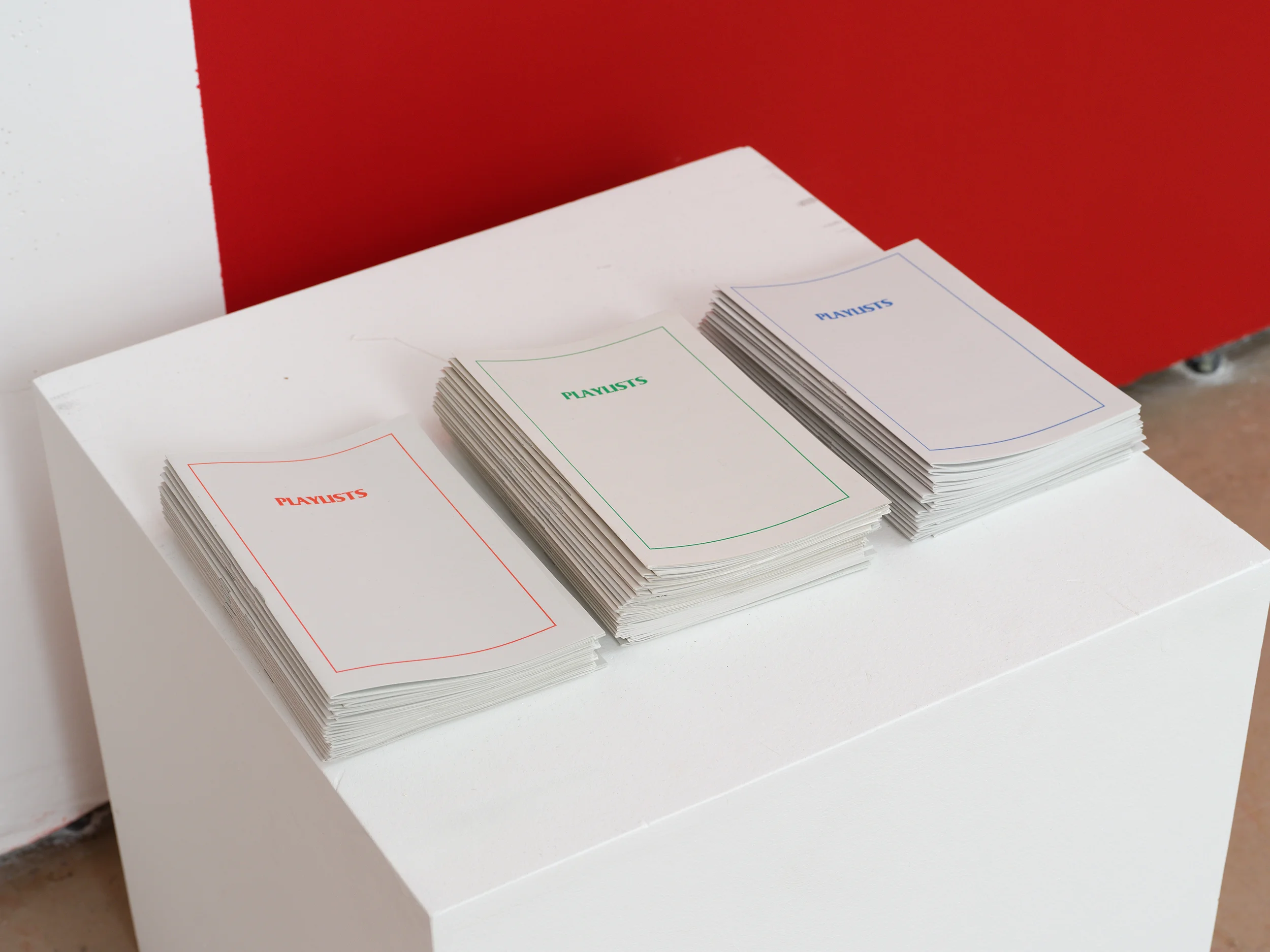
PLAYLISTS
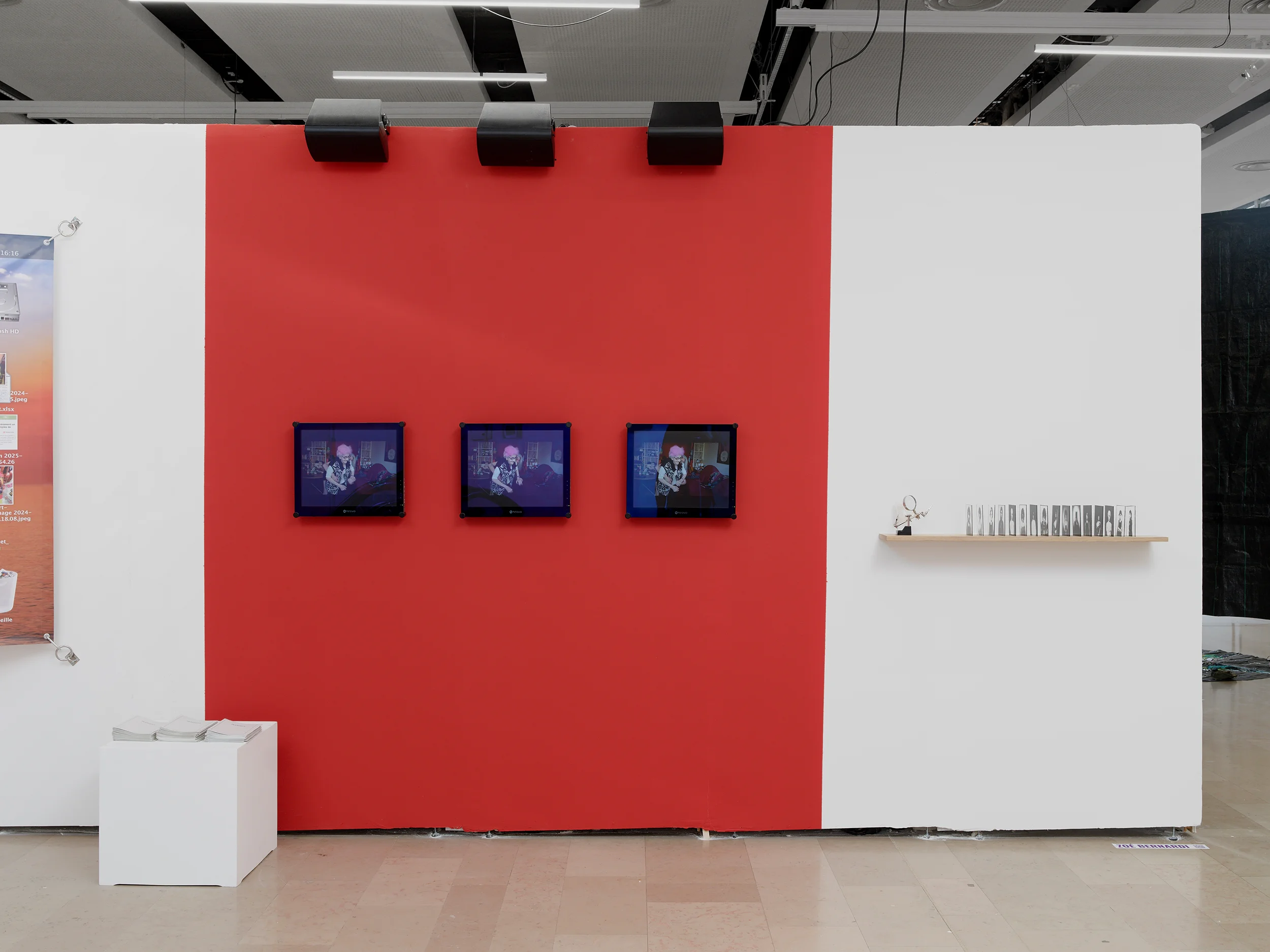
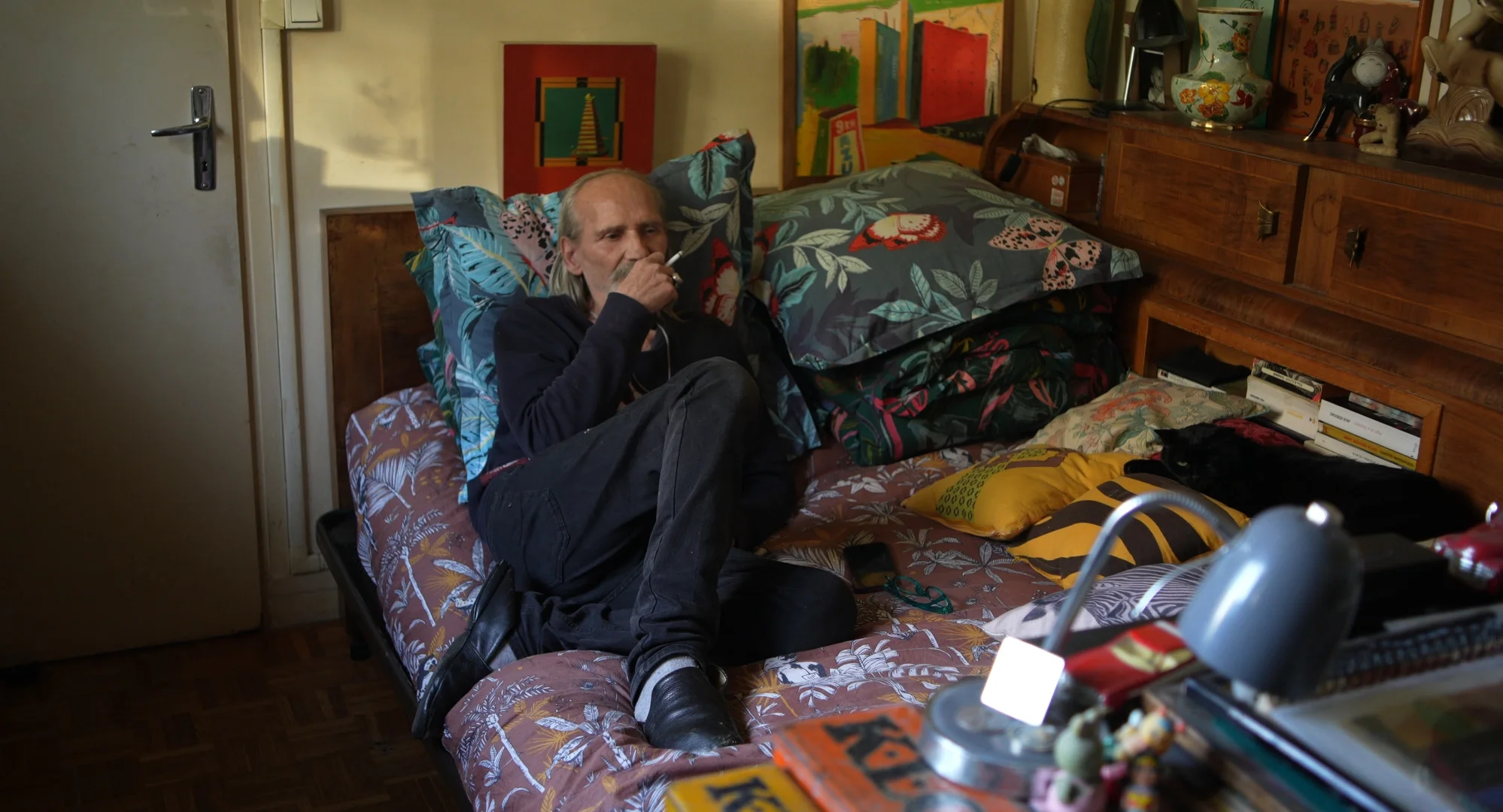
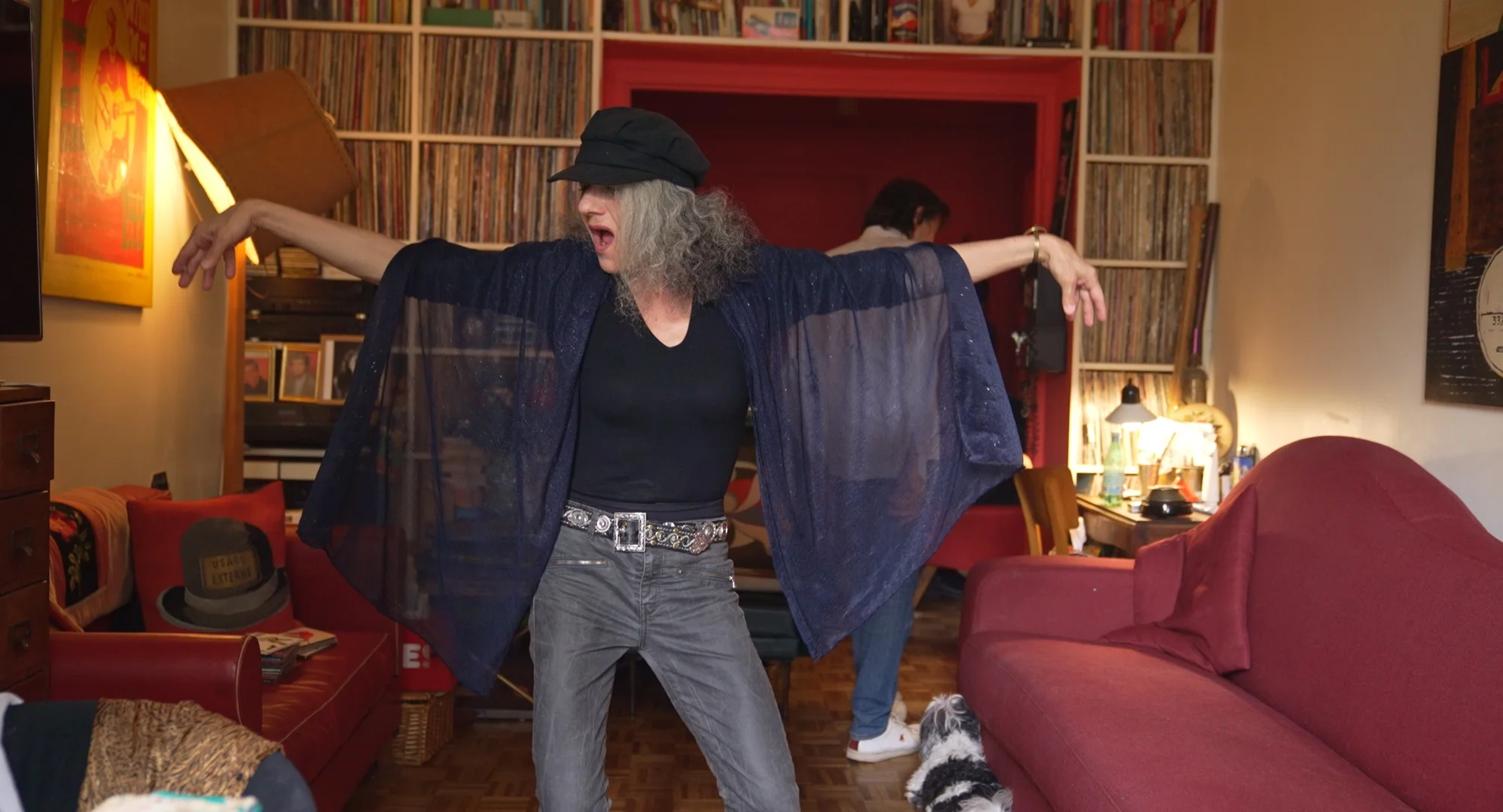
In the same way, in her audiovisual installation Playlists (2024), Zoé stages a meeting between the lives of the members of her clan and those of her audiences. On three small screens, set on a partition covered in red wallpaper, we meet her mother Léa, a « punk », her father Radis, an « old freak », her stepfather Tonton, « a former fairground worker », her grandmother Kiki and her dog Galak, « two pink-haired rascals », and Pupuce, « the gang's cat ». Each protagonist dances in front of Zoé's camera, which since lockdown has made her the privileged operator and witness of their lives. Paired with each monitor, a sound system plays songs dear to the protagonists — Twenty Small Cigars by Frank Zappa (1970), Jamming by Bob Marley (1977), Let's Groove by Earth, Wind and Fire (1981). The references are intimate, and evoke a « transgenerational intangible inheritance ». The three soundtracks contaminate one another in a fascinating tumult. The colour of the wallpaper is not left to chance either: it refers both to its pre-eminent presence in the family home in Paris and to « a furious character that suits them well ». Léa Pagnier for the 69th Salon de Montrouge.
Sound and video installation, 2026.
Pratiques du quotidien
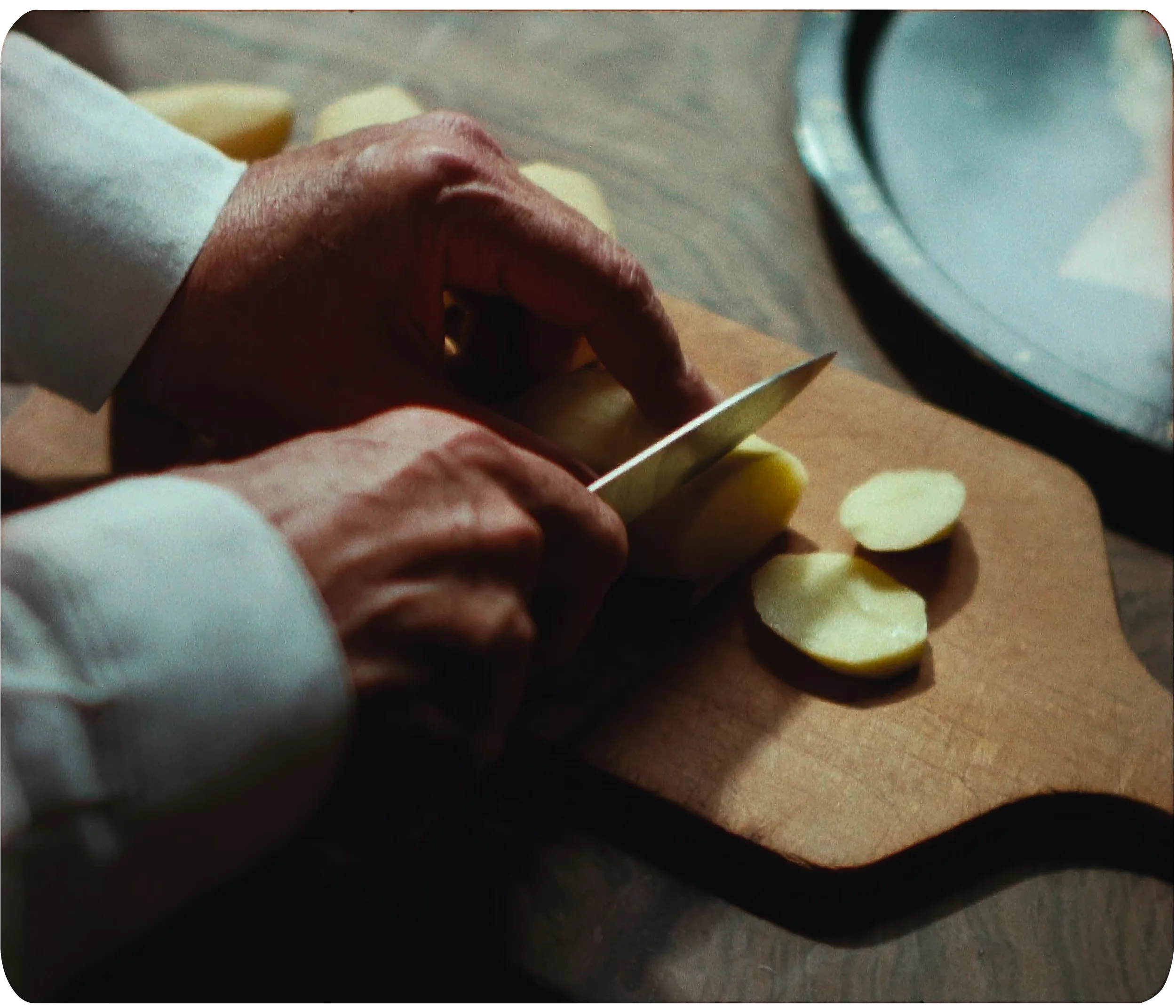
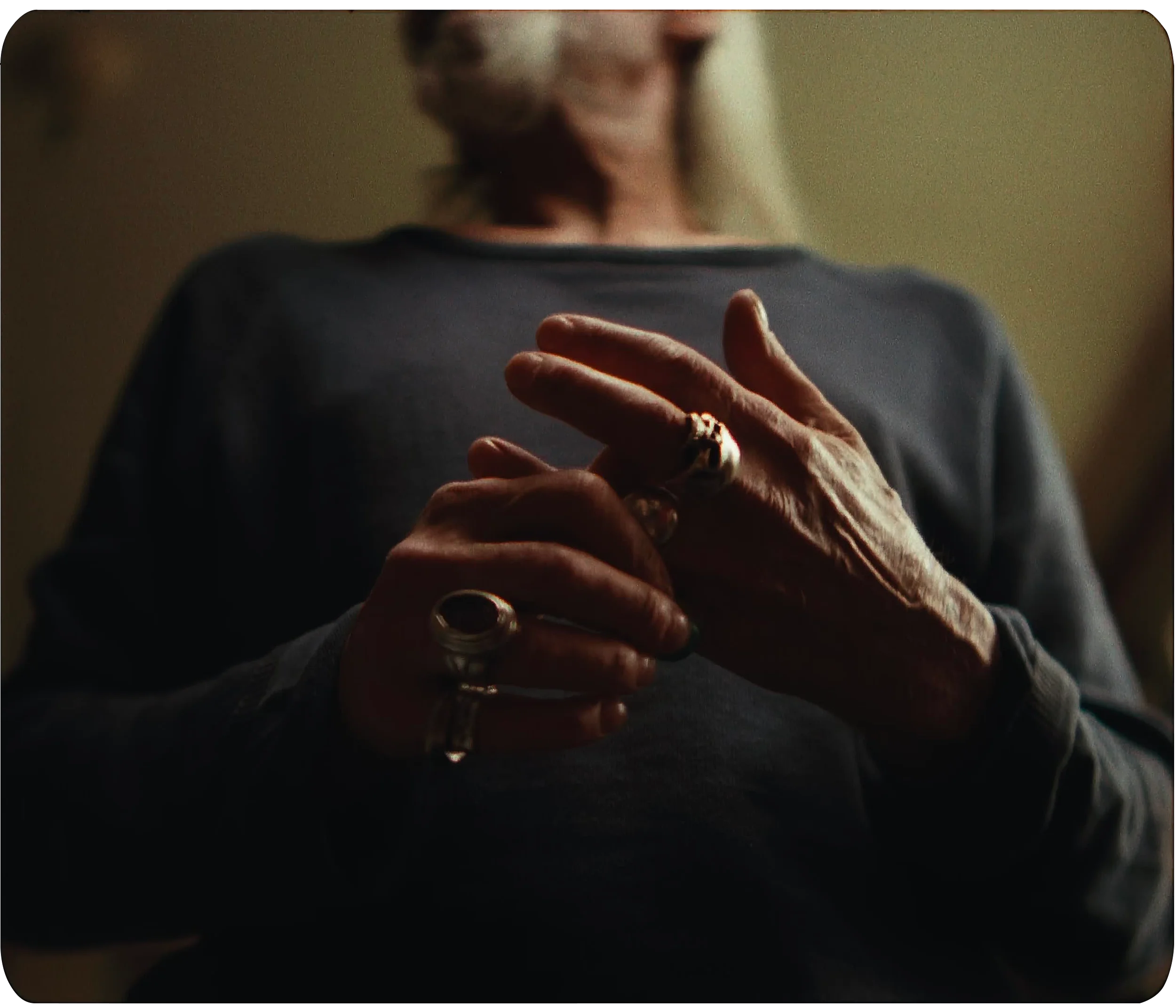
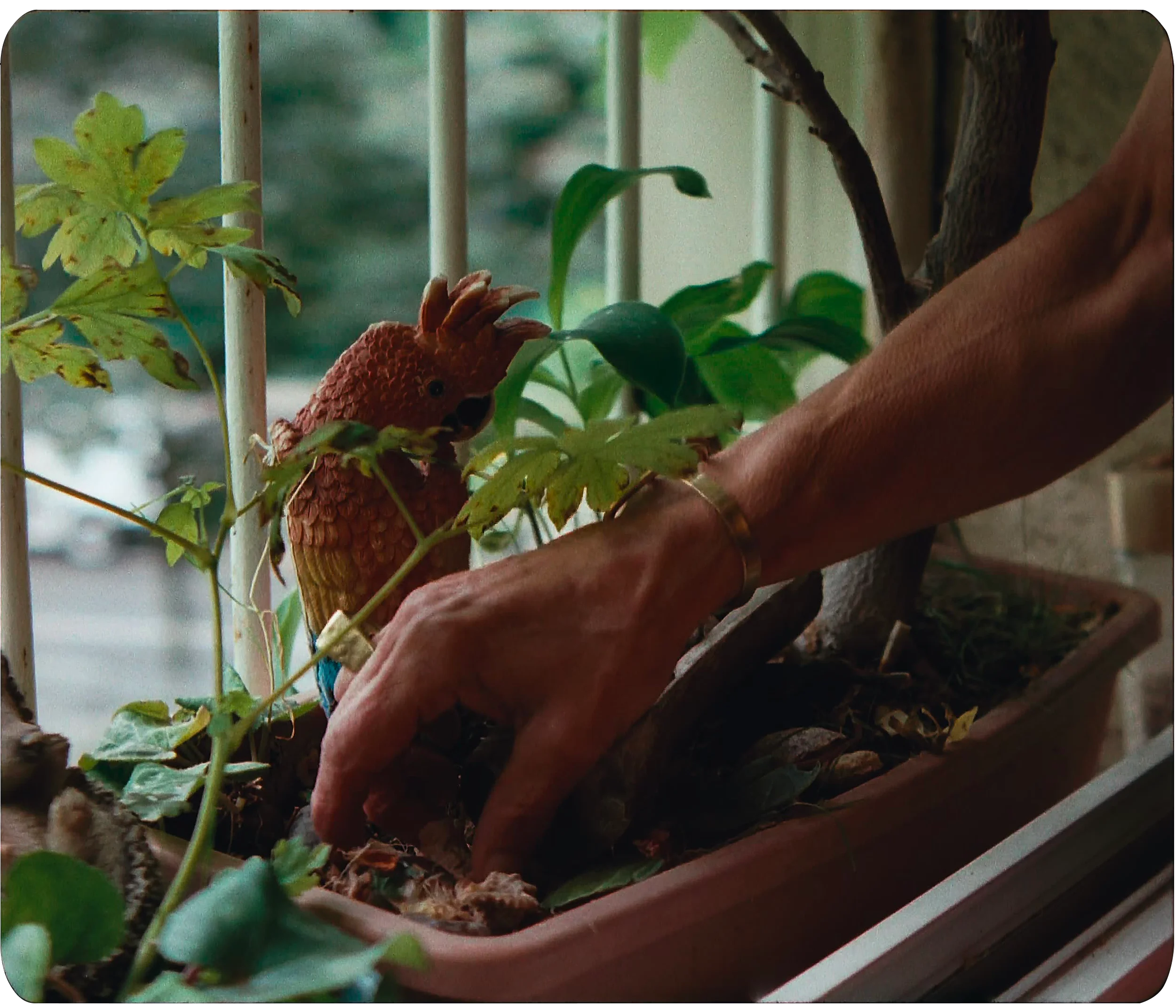
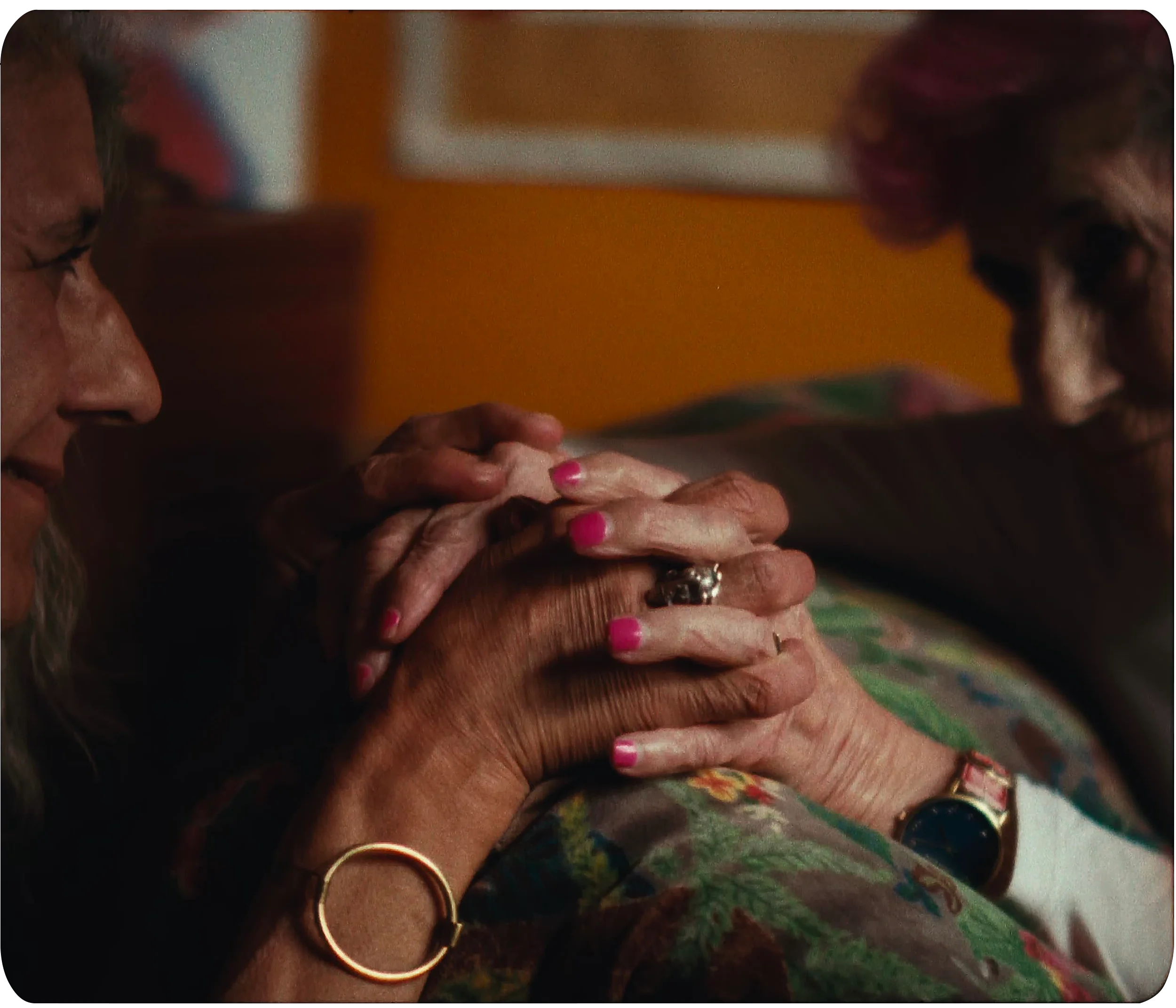
Pratiques du quotidien is an attempt at an inventory of the gestures that give my tribe's life its rhythm. A ballet of objects and hands, the video was shot on 35mm, fusing the moment of editing with the moment of filming. Atlas-like in form, it continues the exercise of collecting the strange customs my tribe practises (six sugars in your coffee, rolling joints, cleaning the house tirelessly...) by taking a formal approach.
Digital medium, 35mm analogue video, 2025.